QuietSpecs

Decibel calculator: compare dB levels and adjust for distance

Written by · Checked against 2 sources
· 3 min read

Two small calculators: how much louder one decibel figure is than another, and what a published figure becomes at your distance, using the rules agencies publish.

Key takeaways

  • A 10 dB gap reads to the ear as about double the loudness, while a 3 dB gap doubles the sound energy yet is only just noticeable.
  • In open space, a figure drops about 6 dB each time your distance from the source doubles, so a rating measured at 1 meter overstates what you hear from across the room.
  • The comparison is only fair when both figures share the same weighting, setting and measuring distance; the calculator cannot repair a mismatch.
  • Sones cannot be converted to decibels with this or any calculator, because the certifying body publishes no conversion.
On this page
  1. How do you compare two decibel figures?
  2. What do the loudness results mean?
  3. How does distance change a decibel figure?
  4. When is a decibel comparison unfair?
  5. How did we build these calculators?
  6. What makers publish
  7. FAQs
  8. How we reviewed this article

Use this decibel calculator to answer the two questions a spec sheet raises most often: how much louder is one model than another, and what does a figure measured up close become at your chair? Both calculators run on arithmetic published by the National Park Service and OSHA, not on rules of our own. Type the figures from the spec sheets and read the result in plain words.

How do you compare two decibel figures?

Enter both figures in the first calculator below, and it reports the gap three ways: in decibels, in sound energy and in perceived loudness. The second calculator takes one figure plus two distances and estimates the level where you actually sit.

Compare two decibel figures

Model B is 6 dB higher: about 4x the sound energy, and it sounds roughly 1.5x as loud.

Only fair when both figures use the same weighting (dBA), distance and setting.

Adjust a figure for distance

About 50.5 dB at your distance, in open space.

Use the same unit for both distances. Walls and furniture reflect sound, so a room reads higher than this estimate.

What do the loudness results mean?

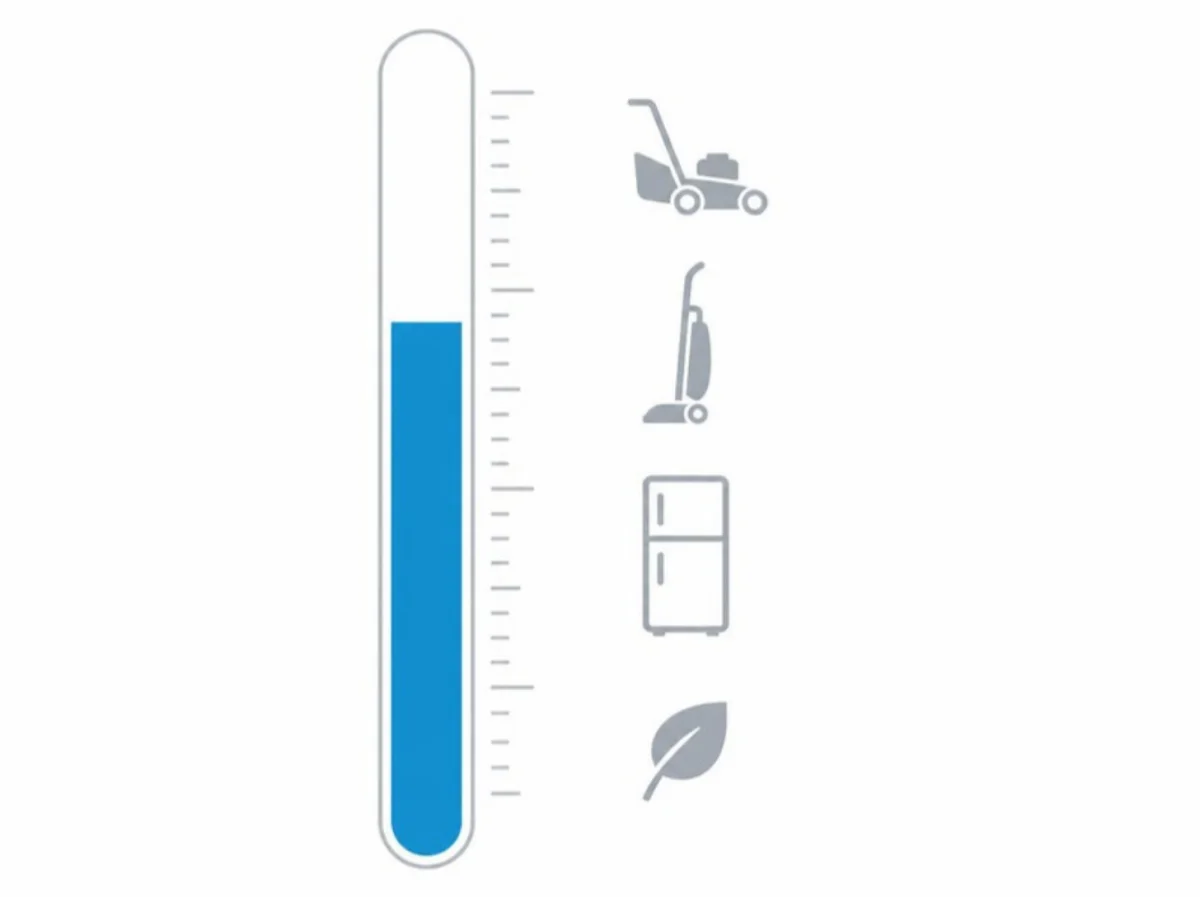
Decibels grow on a logarithmic scale, so a small gap in the number hides a large gap in energy. The National Park Service puts the two key rules in one line each: an increase of 10 dB is perceived as about twice as loud, and an increase of 3 dB doubles the sound energy while being barely noticeable.

Both rules appear in the result. A 44 dBA dishwasher against a 50 dBA one shows a 6 dB gap: four times the sound energy, and roughly one and a half times as loud to your ear. That framing is usually more useful than the bare numbers when two models sit close together.

How does distance change a decibel figure?

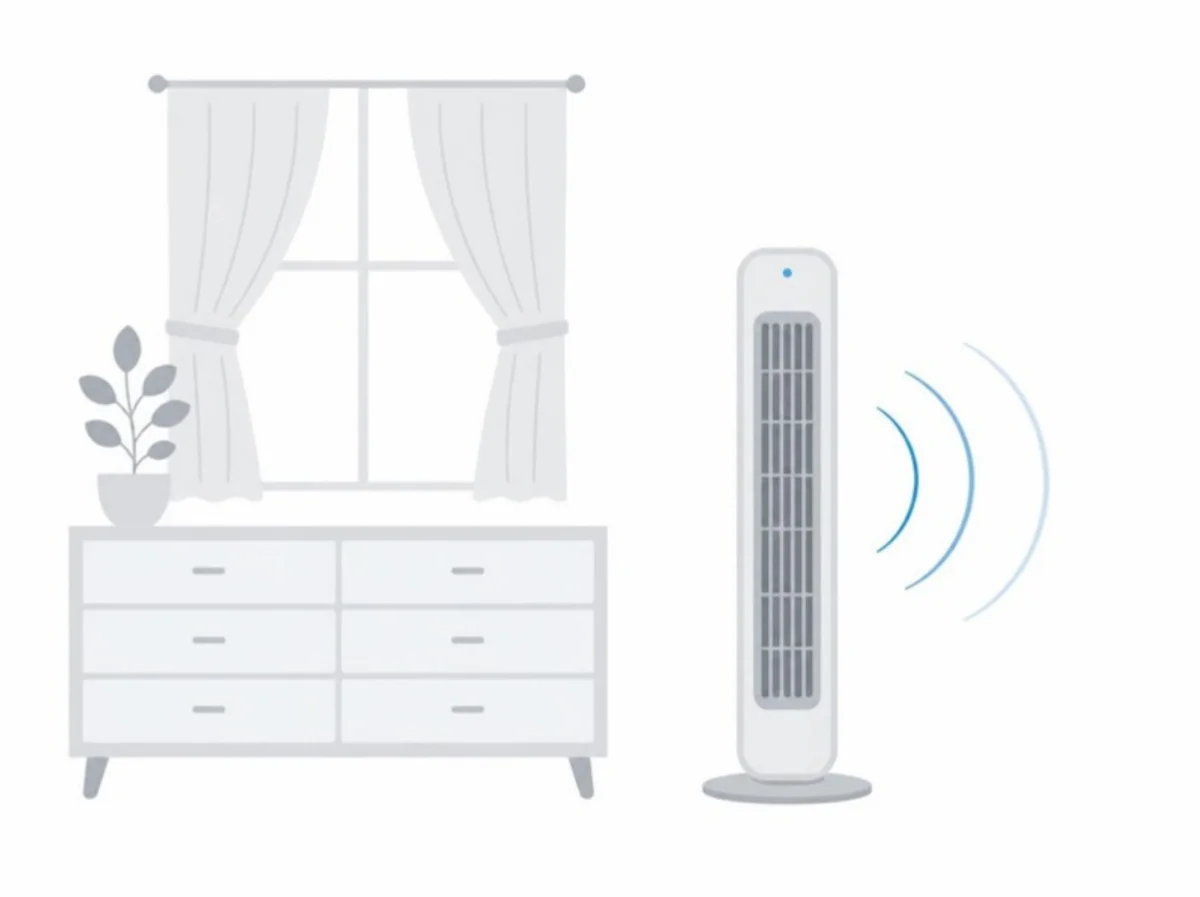
Sound pressure falls as it spreads, and in open space the drop follows a simple rule: about 6 dB for every doubling of distance, per OSHA's technical manual. A fan rated at 1 meter is quieter by the time the sound crosses a bedroom.

The second calculator applies that rule. Give it the published figure, the distance the maker measured at, and the distance you care about. Indoors the estimate is a floor rather than a promise, because reflected sound off walls and furniture raises the level above the open-space value.

Makers rarely state their measuring distance at all. Across the catalogs behind our guides, stated distances are the exception, which is why our pages quote the condition whenever one exists.

When is a decibel comparison unfair?

No calculator can rescue two figures measured under different conditions. Before comparing, check four things on the spec sheets: the weighting (dBA against plain dB), the setting (lowest speed against highest), the distance, and whether either figure is sound power rather than sound pressure. Comparing decibel ratings walks through each trap with real models.

Weighting matters because a dBA figure is filtered to match human hearing, as dBA explained covers. Settings matter because a fan's lowest speed can sit 20 dB or more below its highest. And sones, the loudness unit on bathroom fans and range hoods, never convert to decibels at all; see sones vs decibels for how to read them.

How did we build these calculators?

The calculators implement the agency arithmetic cited above. The National Park Service supplies the loudness and energy rules, and OSHA's technical manual supplies the distance rule. We did not measure anything ourselves, and the calculators never compare figures for you; they only translate the gap you give them. The maker figures shown further down this page come from our buying guides, each quoted with the condition the maker printed.
What makers publish

The noise figures makers print for models in our buying guides, word for word, with any setting or distance they give. Figures taken under different conditions are not comparable, so this list does not rank them.

The quietest tower fans on the makers' own figures

ModelNoise figure, as published
Lasko EcoQuiet 42" DC Tower Fan: Oscillating, 12-Speed, Remote23 dBa low, 46 dBa high (maker)
Levoit VORTEXAIR Classic 36-Inch Smart Tower Fan25 to 48dB (maker manual)
Lasko Ascend 36" DC Tower Fan: Oscillating, 12-Speed, Remote, Timer, Black24 dBa low, 54.5 dBa high (maker)
Levoit Classic 42-Inch Smart Tower Fan25 to 48dB (maker manual)
Vornado OSCR37 37 inch Oscillating Tower Circulator52 / 49 / 45 / 41 dBA, high to low (maker)

All 7 models in the guide

The quietest window air conditioners for a bedroom

ModelNoise figure, as published
Frigidaire Gallery 8,000 BTU Inverter Window Room Air Conditioner with Wi-Fi (Energy Star)40 / 46 / 50 dBA, low to high (maker)
Midea 8,000 BTU DOE U-Shaped Smart Window Air Conditioner, for spaces up to 350 sq. ft.As low as 32 dBA (maker, speed not stated)
LG 8,000 BTU Dual Inverter Smart Wi-Fi Enabled Window Air Conditioner | Cools Up To 350 sq. ft.54 / 50 / 46 / 44 dBA, high to sleep (maker)
The Windmill AC - 8K BTU WhisperTechStarts at 42 dB (maker, one figure)

Frequently asked questions

Is 50 dB twice as loud as 40 dB?

Yes, roughly. An increase of about 10 dB is perceived as a doubling of loudness, according to the National Park Service. In energy terms the gap is far larger: 50 dB carries ten times the sound energy of 40 dB.

What does a 3 dB difference mean in practice?

A 3 dB gap doubles the sound energy but is barely noticeable to the ear. OSHA's technical manual treats 3 dB as the smallest change most listeners can detect outside a laboratory. Between two quiet appliances, it is a real but modest advantage.

Can this decibel calculator convert sones to decibels?

No. Sones rate bathroom fans and range hoods on a separate loudness scale, and HVI, which certifies those ratings, publishes no conversion between the two units. Our sones vs decibels page covers how to read that scale instead.

How accurate is the distance adjustment?

Treat it as an estimate with a real floor. The 6 dB per doubling rule describes open space with nothing reflecting sound. Indoors, walls, floors and furniture bounce sound back, so the level at your chair usually sits above the calculated value.

Why do two figures need the same weighting to be compared?

Because dBA figures are filtered to match human hearing and plain dB figures may not be. The filter changes the number itself, so a 44 dBA rating and a 44 dB rating can describe different amounts of noise. Our dBA page explains the weighting.

How we reviewed this article

Every statement here comes from the 2 maker documents, standards and agency pages listed under Sources, quoted where the wording matters. We did not measure, inspect or repair anything ourselves. Each substantive revision is dated below. How we work

  1. Current version

    First published, written by Stanley Alu.

Sources

Every figure on this page was read on one of the pages below. We did not measure anything ourselves.

Written by

Stanley Alu

Founder and editor

I founded QuietSpecs after running a product review blog, and I built it around the spec that is hardest to pin down. With noise, makers tend to quote the quietest setting they can find, or nothing at all. So I read the spec sheets, manuals and certification directories, quote each figure with the setting it describes, and say so plainly when a maker publishes none. I do not test products or measure decibels, and no brand pays for a place in a guide.

How we compare products

Related buying guides

More in Noise Basics