
Noise explained
What the numbers in our guides mean, and what they do not. Every figure is sourced, and we do not measure anything ourselves.
dBA meaning: dB vs dBA on appliance noise ratings
dBA means A-weighted decibels, a sound level adjusted to how people hear. What the A changes, the 3 dB and 10 dB rules, and how often makers print each unit.
10 min read
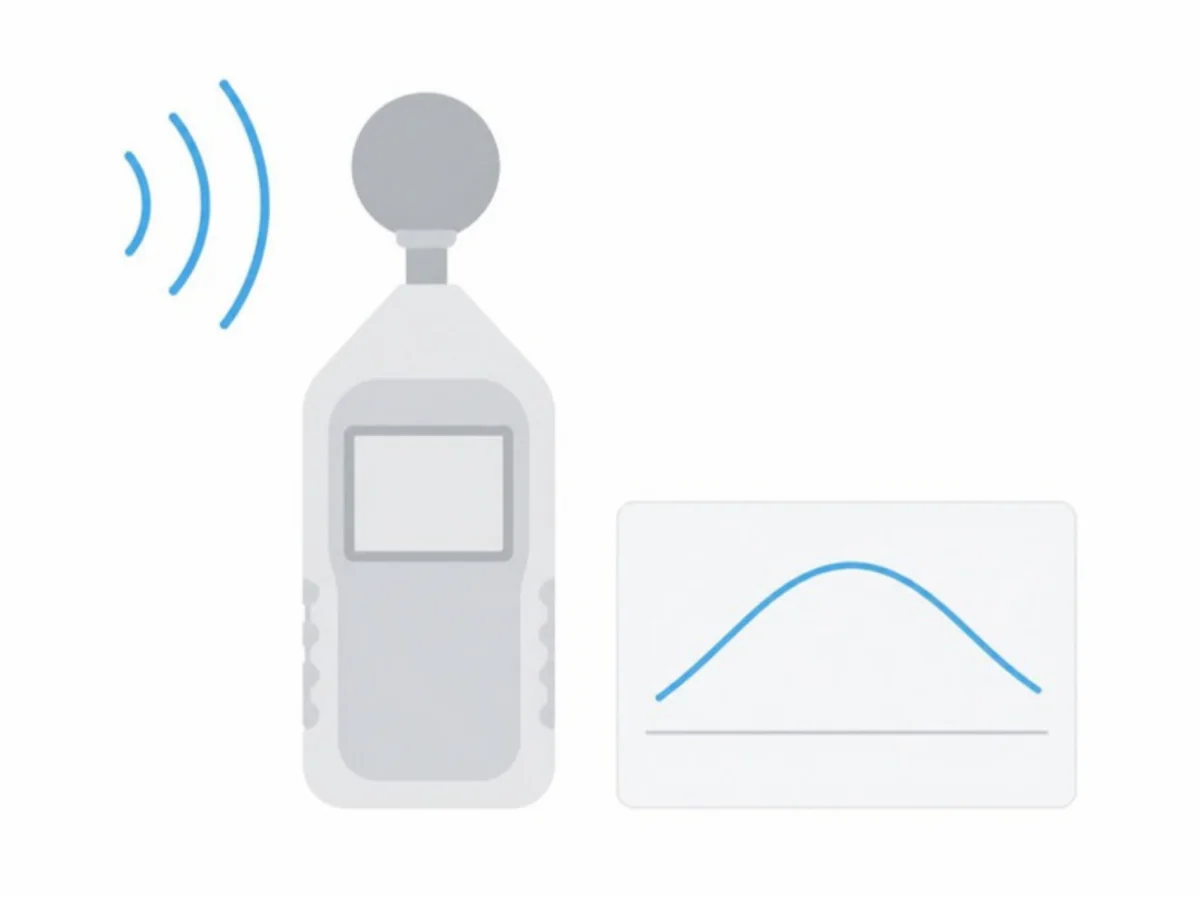
Noise Basics
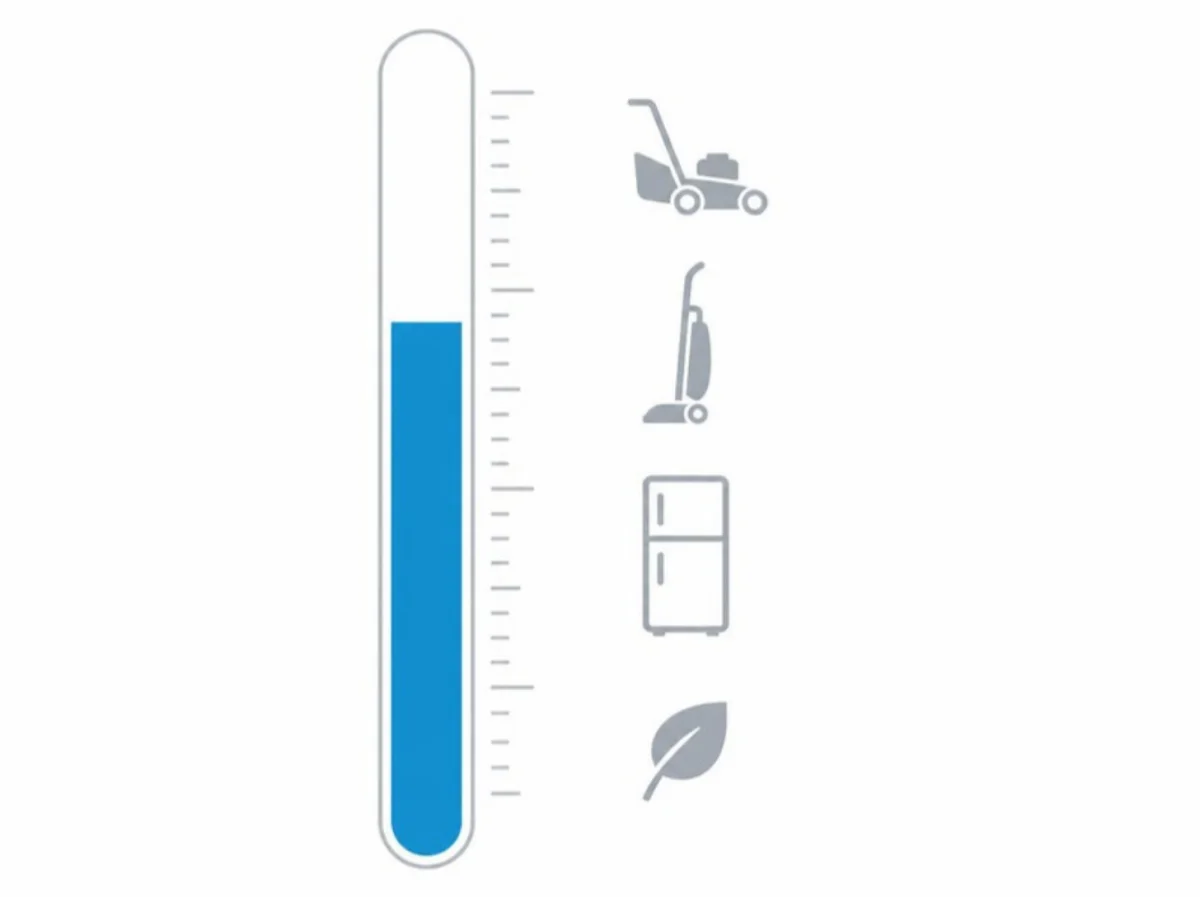
Decibel chart of common sounds and appliance figures
A decibel chart of common sounds from the NIDCD, National Park Service, WHO, NIOSH and OSHA, set beside the noise figures makers publish for appliances we cover.
17 min read
Decibel calculator: compare dB levels and adjust for distance
Two small calculators: how much louder one decibel figure is than another, and what a published figure becomes at your distance, using the rules agencies publish.
3 min read
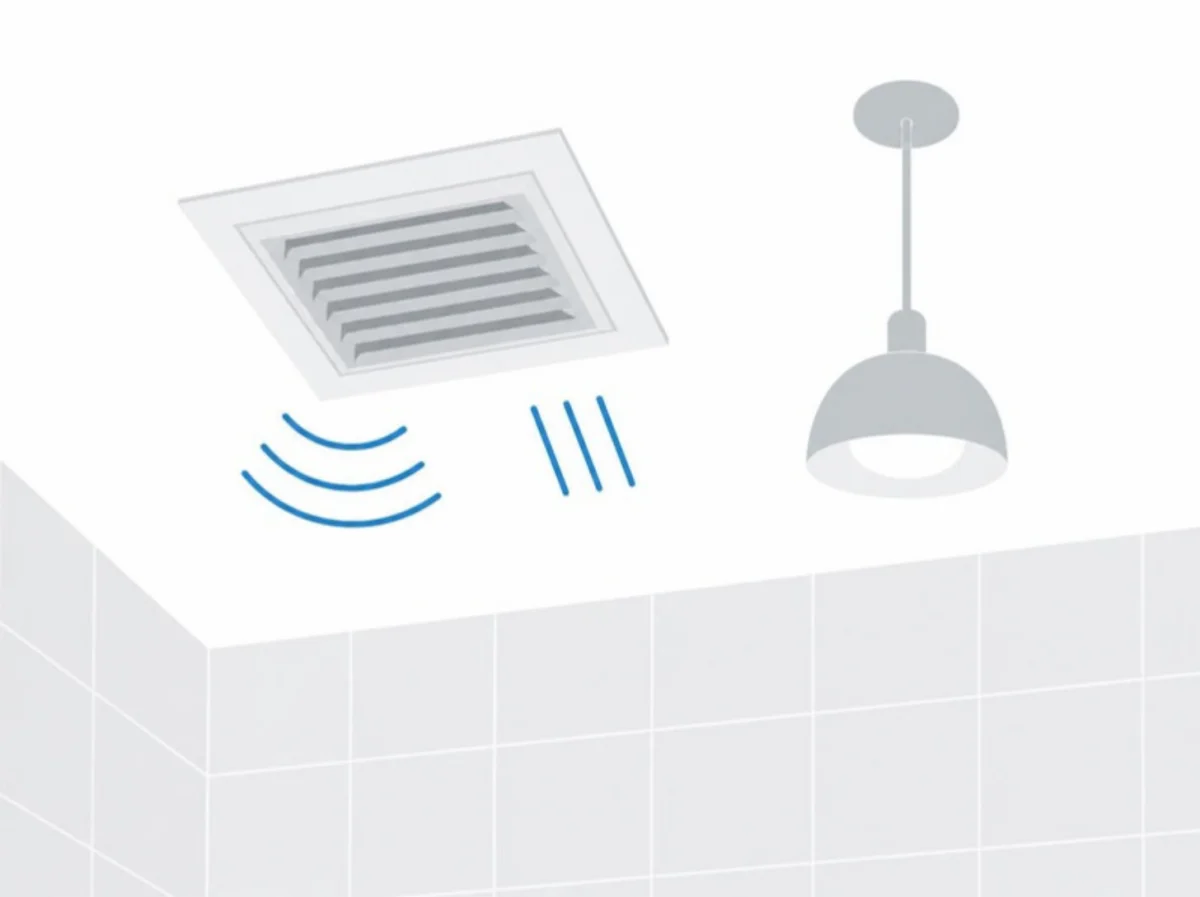
Sones vs decibels: how fan and hood noise is rated
A sone is a linear loudness unit, so 2 sones is twice as loud as 1. How sones differ from decibels, why no official conversion exists, and how to read HVI ratings.
9 min read
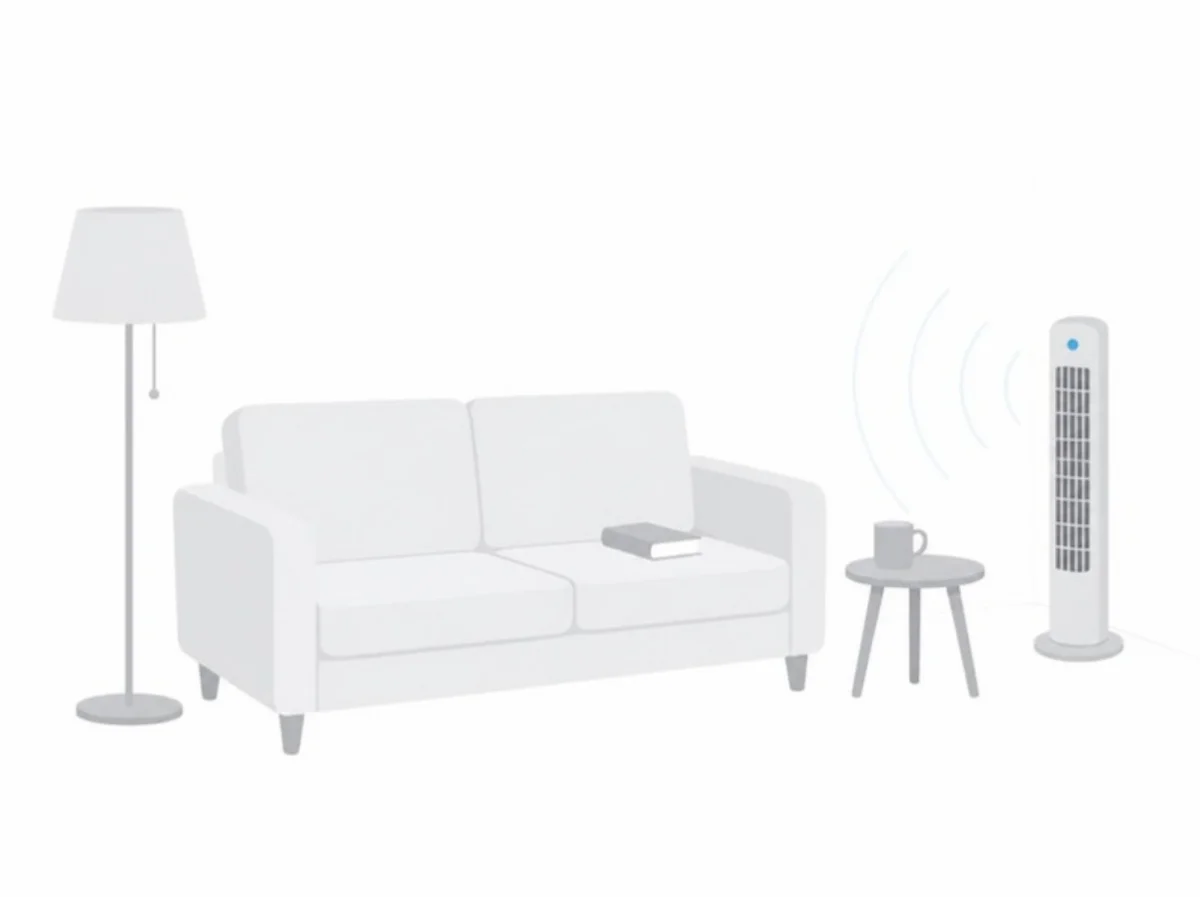
What decibel level is quiet? A target for each room
Under 30 dB(A) in a bedroom at night, per the WHO, and 1.0 sone or less for a bathroom fan, per HVI. The official targets room by room, with maker figures.
11 min read
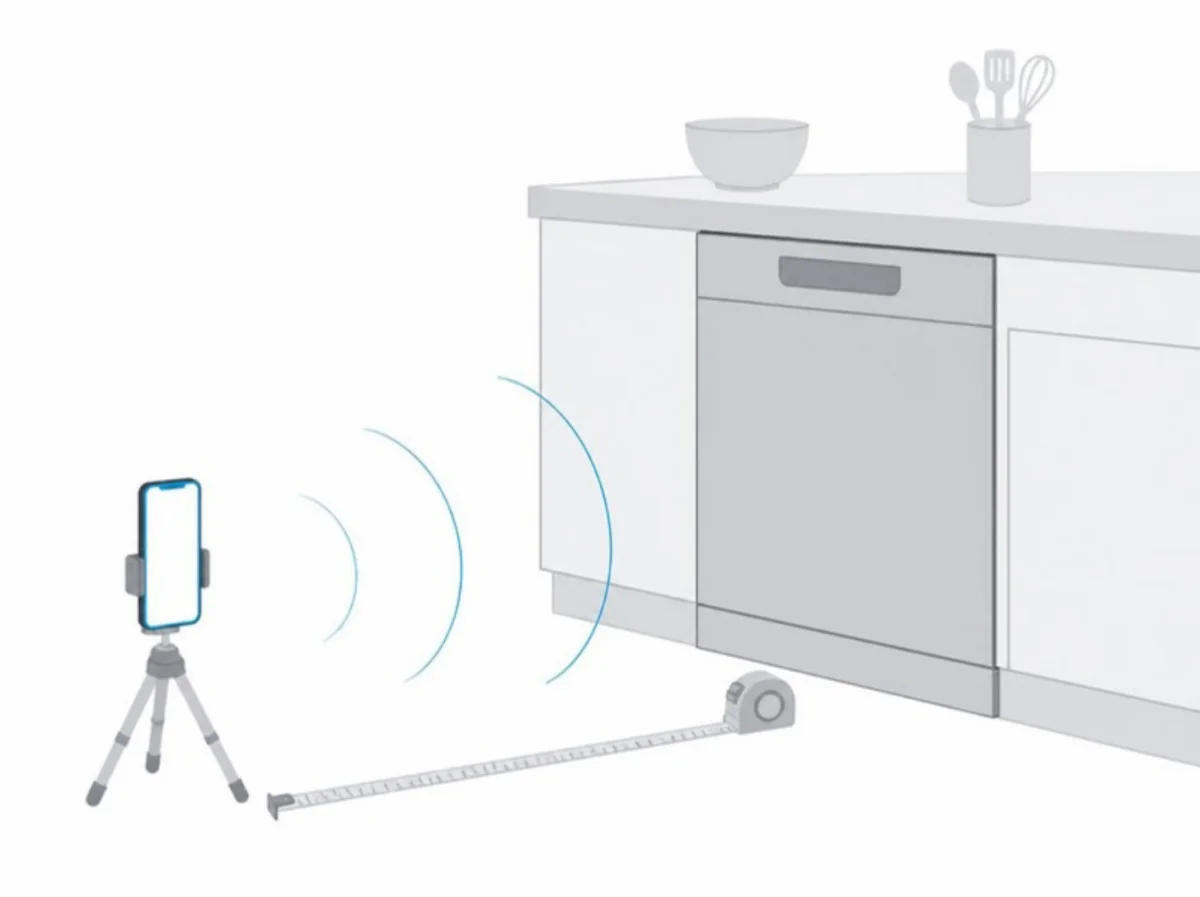
How to measure decibels at home with a phone app
A phone app can measure decibels at home well enough to compare your own readings. What NIOSH found when it tested apps, a step by step method, and why the box differs.
11 min read
Compare decibel levels: why brand dB ratings rarely match
To compare decibel levels across brands, check the setting, distance, quantity and standard. Counts from 212 products show how rarely makers give them.
10 min read
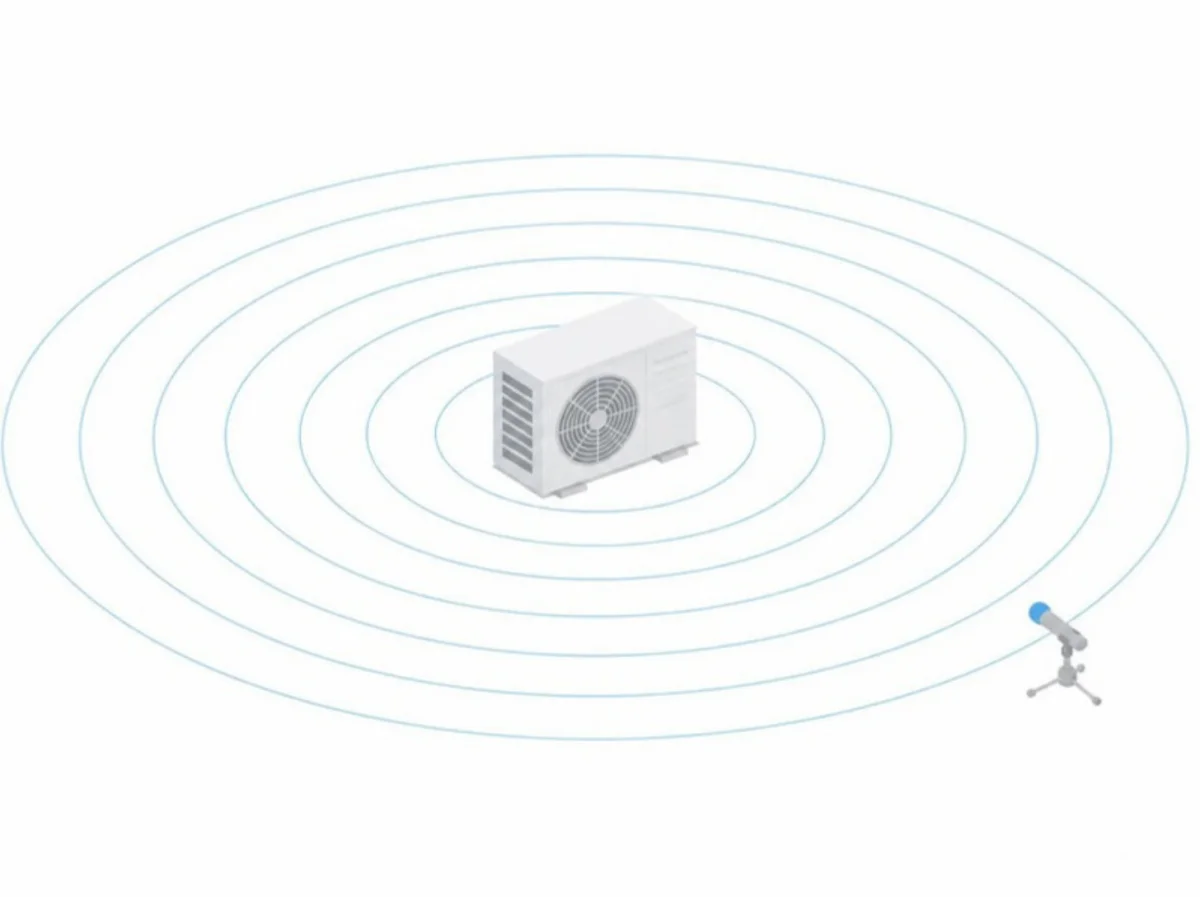
Sound power vs sound pressure: reading B(A) and dB(A)
Sound power is the total noise a machine emits; sound pressure is what reaches one spot. How to read B(A), dB(A), LWA and KV on printer and computer spec sheets.
10 min read
Why Is It Noisy?
Refrigerator making noise? Normal sounds vs. warning signs
Humming, clicking, gurgling and popping are on the makers' own lists of normal fridge sounds. A fan hitting ice or a rattling compressor needs service.
17 min read
Dishwasher making noise? What each sound means, fill to dry
Hissing, humming, a detergent cup snap and a drying fan are normal, the makers say. Grinding, rattling and squealing point to the pump or the load.
16 min read
Washing machine making noise? Spin, wash and drain sounds
Clicks, a drain hum and a thump as the spin starts are normal, washer makers say. Grinding, a jet-like roar or shipping bolts left in are not.
17 min read
Dryer making noise? What each thump, squeal and rattle means
Rattles and thumps usually come from the load or flat drum rollers, and a gas valve click or heat pump hum is normal. Here is when makers say to call service.
16 min read
Window AC making noise? Rattles, clicks and water sounds
Splashing and pinging are the slinger ring throwing water at the coil, which makers call normal. Rattles, leaks or a burning smell mean stop and check.
16 min read
Heat pump noise in winter: normal sounds and warning signs
A whoosh, a hiss, steam and a stopped outdoor fan are a heat pump defrosting, makers say. Grinding, banging or ice that never clears needs a technician.
16 min read
Dehumidifier making noise, even when off? Sounds explained
A dehumidifier making noise is usually drying, defrosting or sampling the air. What GE, Frigidaire, Hisense and others call normal, and when to unplug.
15 min read
Water heater making noise? What popping and hissing mean
Popping and rumbling point to sediment, ticking to pipes and heat traps, and hissing can be dangerous, makers say. What each sound means and when to call a pro.
17 min read
Ice maker making noise but no ice? Every sound explained
An ice maker making noise is usually filling, harvesting or defrosting. What GE, LG, Samsung, Whirlpool and Sub-Zero call normal, and which sounds to report.
18 min read
Garbage disposal humming but not working? How to fix it
A garbage disposal humming but not working is almost always jammed. How InSinkErator, Moen, Waste King and GE say to free it, reset it and when to call service.
16 min read
Mini split making noise when off? Clicks, cracks and gurgles
A mini split making noise is usually refrigerant, condensate or plastic flexing. What Mitsubishi Electric, LG, Gree and MRCOOL call normal, and when to switch off.
16 min read
Air purifier making noise: clicking, buzzing or when off
Auto mode, a new filter still in plastic, an ionizer chirp and a fan changing direction explain most purifier sounds. Each is quoted from Levoit, Coway, Blueair, Winix and Dyson.
15 min read
Space heater making noise: clicking, crackling, buzzing
Thermostat clicks, a fan that blows on after shut-off and a new radiator's crackle are normal, heater makers say. Here is each sound and the signs that mean unplug.
16 min read
Range hood making noise when off, in wind or on high
A noisy range hood usually traces to the duct, a dirty filter, wind at the damper or a sensor that starts the fan. Here is what eight makers say about each sound.
15 min read
Microwave making noise or buzzing? What each sound means
A microwave making noise is usually the magnetron, fan or turntable at work. What GE, LG, Samsung and Whirlpool call normal, and why sparks mean stop now.
16 min read
Robot vacuum making noise? Grinding, squeaks and beeps
Grinding, squeaking, a roar on carpet and a loud self-empty dock, explained from iRobot, Roborock, Dreame, eufy and ECOVACS manuals, with the beep codes decoded.
15 min read
Computer fan making noise? PC and laptop causes and fixes
Grinding, clicking, revving, coil whine and AIO gurgling, explained by Noctua, Corsair, NZXT, be quiet!, Dell, HP, Lenovo and Apple, with when to stop using the PC.
17 min read
CPAP making noise when breathing? Whistles and gurgles
A soft rush of air is normal. Whistling usually means a leak and gurgling means water in the hose. Each CPAP noise, as ResMed, Philips and Fisher & Paykel explain it.
16 min read
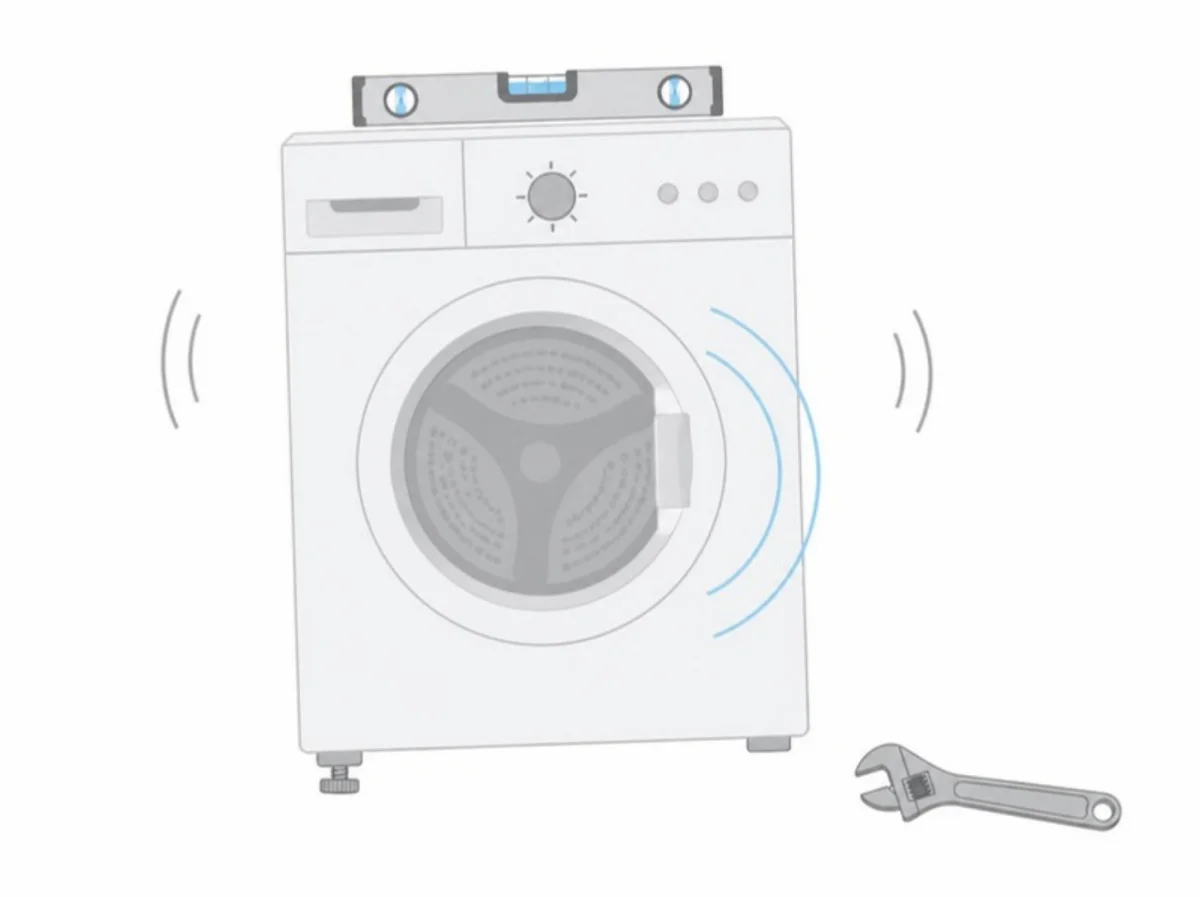
Why is my appliance so loud all of a sudden? 7 checks
A washer, fan or fridge that suddenly got loud usually has a dull cause its manual lists: an uneven floor, dust, loose screws, shipping bolts or a dimmer.
10 min read
Make It Quieter
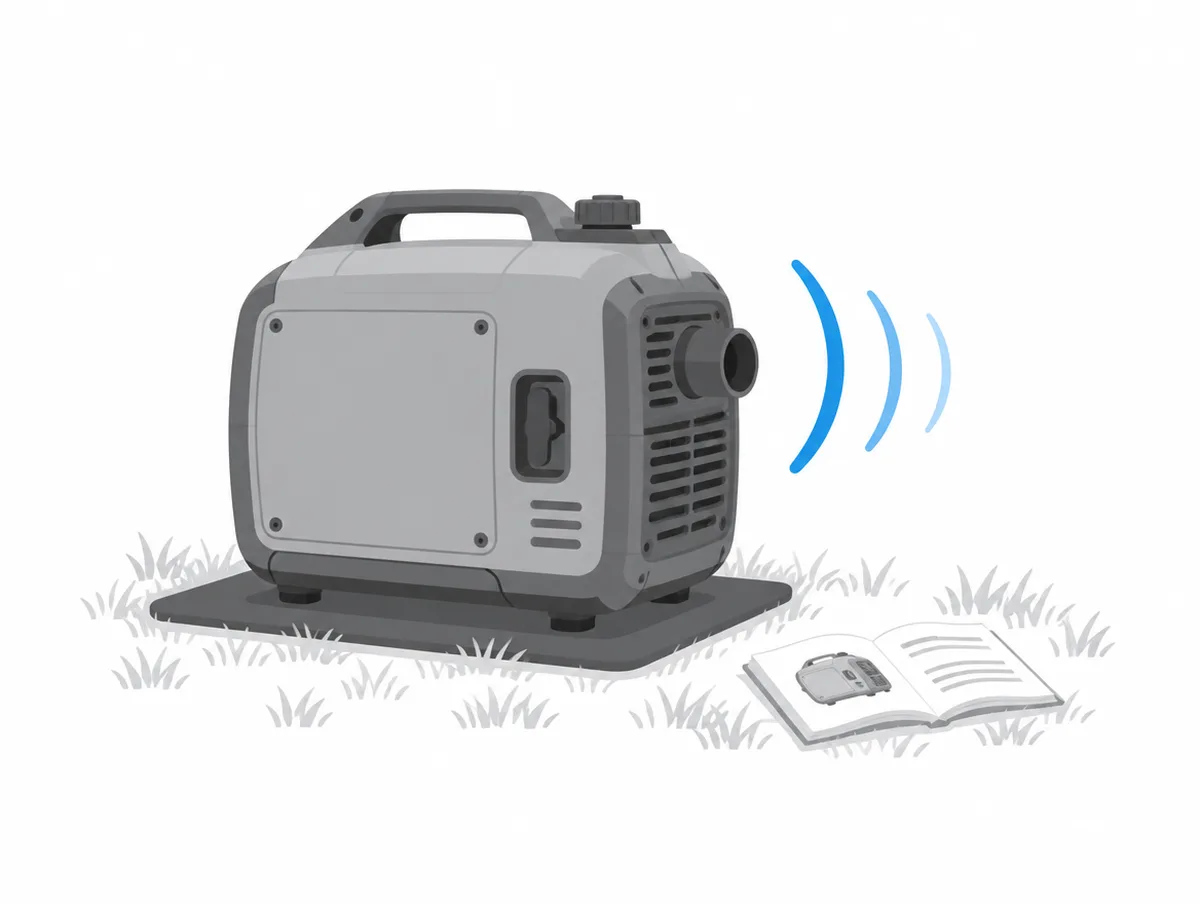
How to make a generator quieter, according to the people who build them
How to make a generator quieter with what the makers' manuals say: eco mode by brand and when to switch it off, load habits, closed covers, exhaust direction, spark arrestor care, and why Honda, Westinghouse, Champion and Predator rule out boxes, tents and muffler changes.
15 min read
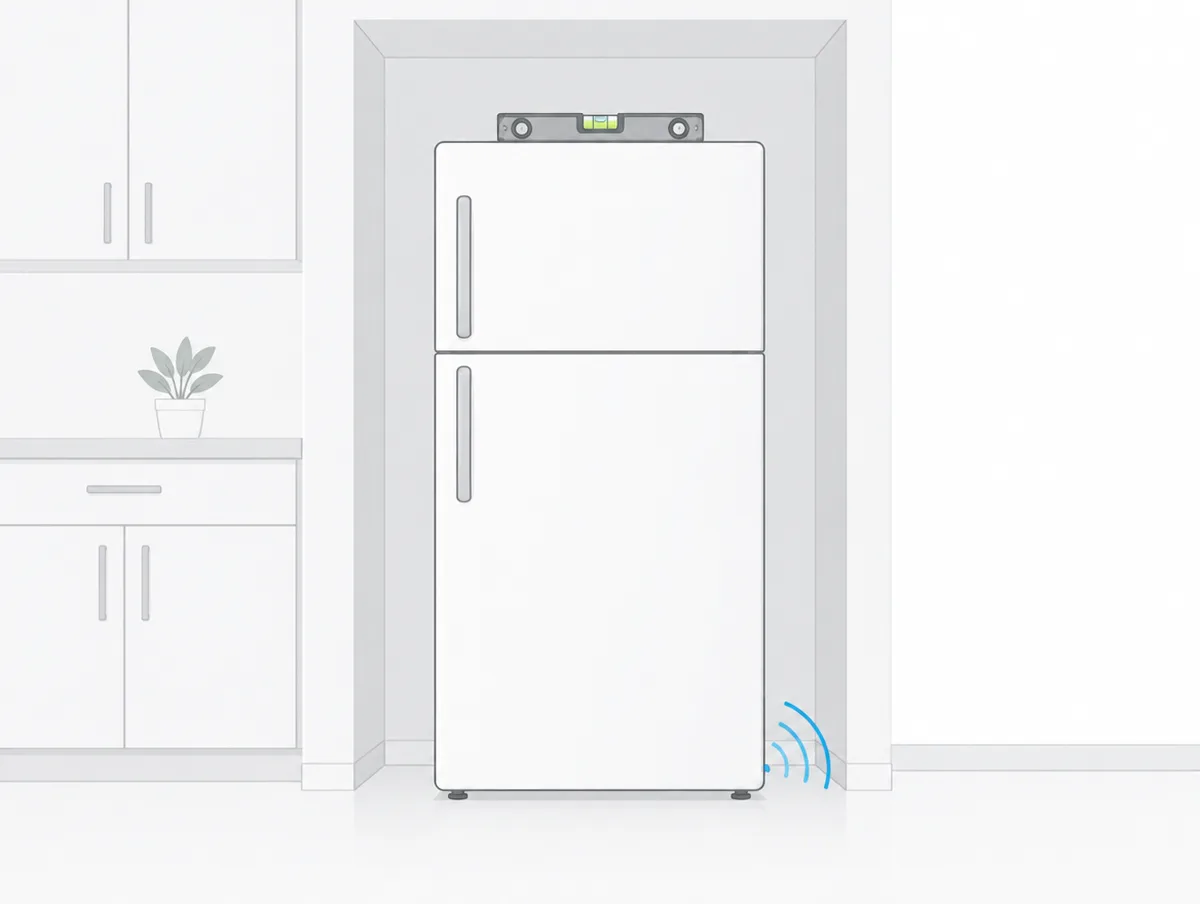
How to make a refrigerator quieter: the fixes makers list
How to make a refrigerator quieter, step by step from the makers' own manuals: clear what touches it, level it on a solid floor, restore its clearances, clear the fans and coils, set the water pressure and mute the beeps. Plus what never to cover and when to call service.
15 min read
How to make a window AC quieter: fixes from the makers' manuals
Lower the fan, use quiet mode, mute the beeps, then reseat the unit with the outward tilt, brackets and foam its manual asks for. Every step here is from LG, GE, Midea, Frigidaire, Friedrich, Hisense or Windmill.
15 min read
How to make a washing machine quieter, step by step from the manuals
How to make a washing machine quieter using only what LG, Samsung, Whirlpool, GE, Bosch, Miele and other makers tell owners: shipping bolts, feet, floor, load and spin, drain hose height, pads, pedestals, and how to mute the end of cycle tune.
15 min read
How to make a dishwasher quieter, from loading to installation
How to make a dishwasher quieter with what Bosch, GE, Whirlpool, Miele, Samsung, LG, ASKO, Frigidaire and Fisher & Paykel tell owners: load clear of the spray arms, clean the filter, pick a quiet program, mute the tones, then check levelling, brackets, insulation and the drain hose.
15 min read
How to make PC fans quieter: curves, adaptors and settings from the makers
How to make PC fans quieter with what Noctua, ASUS, Gigabyte, MSI, Corsair, NZXT, be quiet!, AMD, NVIDIA and Intel tell owners: BIOS fan curves, PWM mode, low-noise adaptors, pump and PSU fan modes, frame caps, dust and airflow.
16 min read
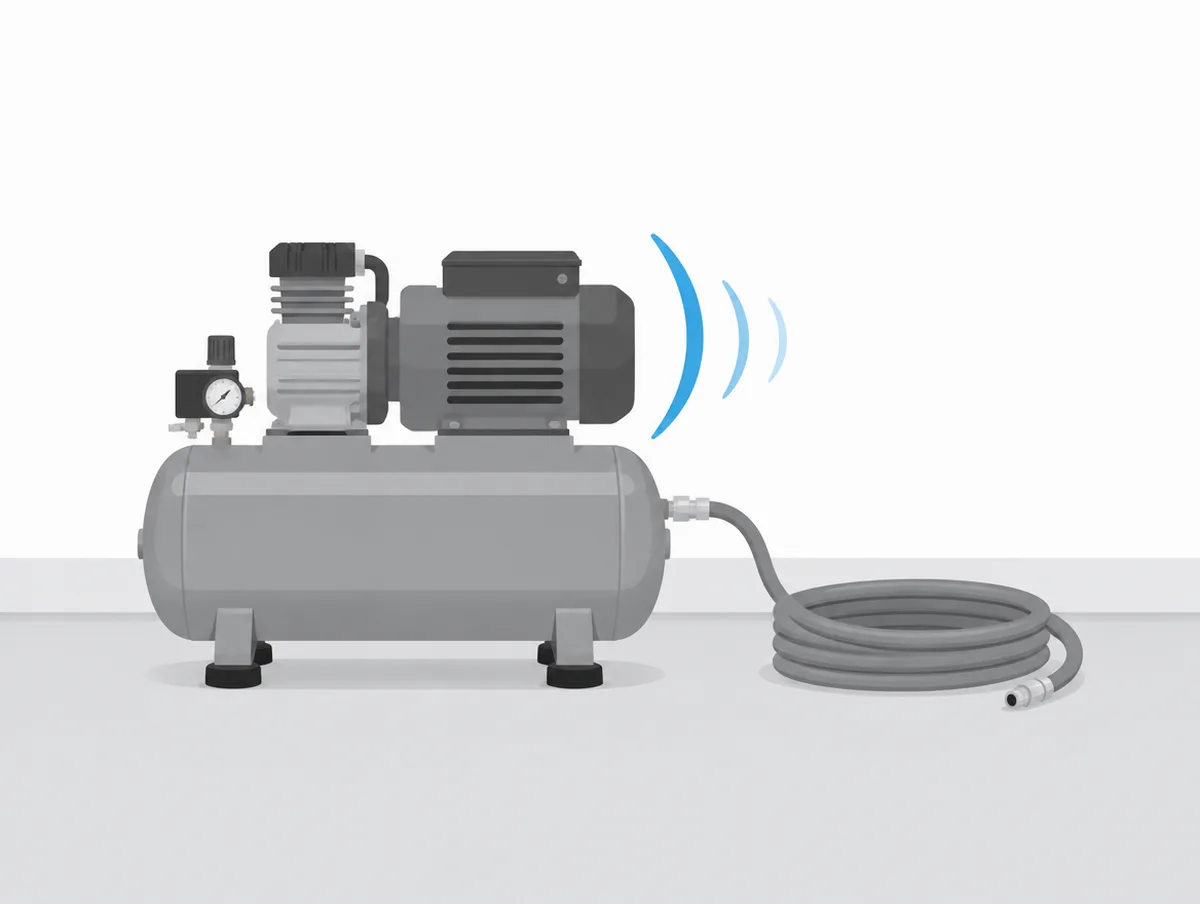
How to make an air compressor quieter, from the makers' manuals
How to make an air compressor quieter using what makers' manuals say: clearance, rubber feet, a clean intake filter, fixing leaks, duty cycle, hose instead of cord, oil and belts, and why a homemade quiet box is ruled out.
15 min read
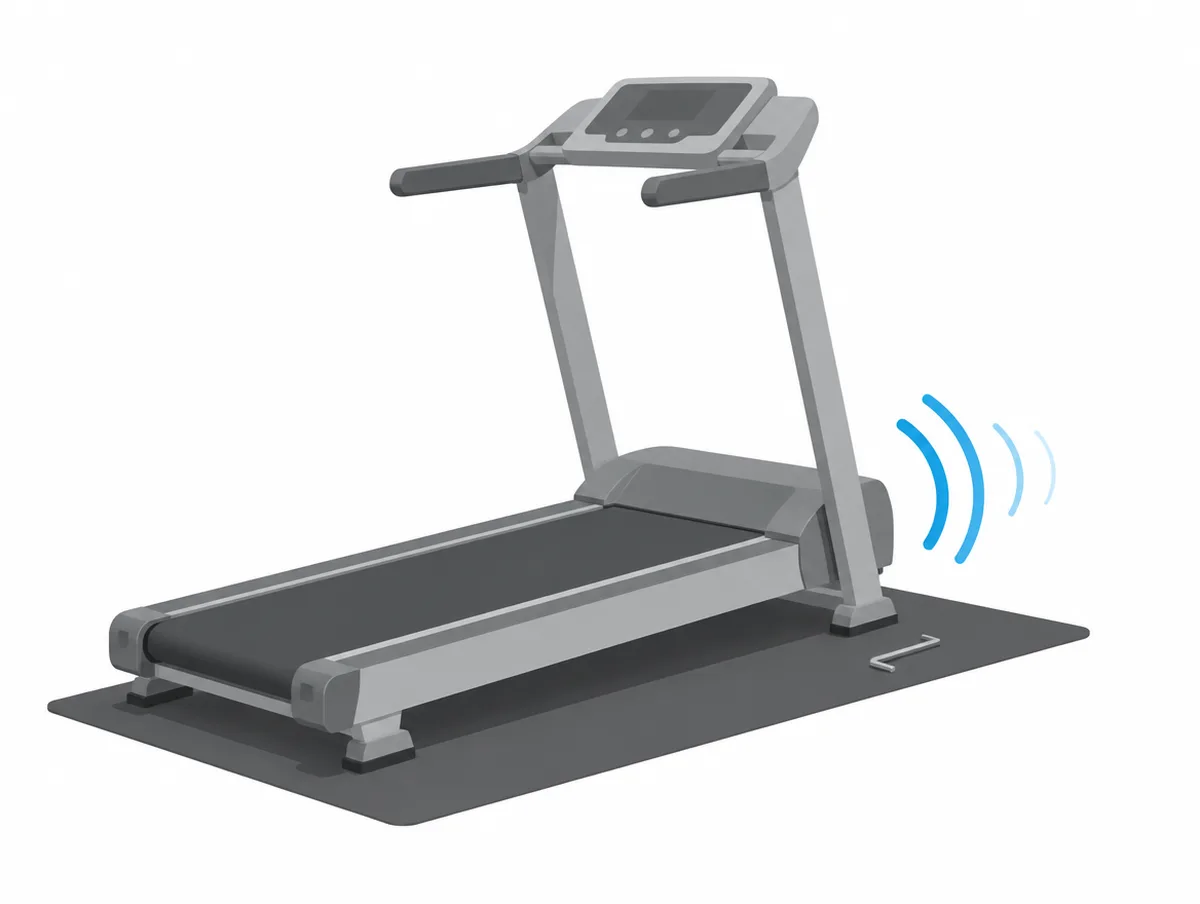
How to make a treadmill quieter: what the manuals tell owners
How to make a treadmill quieter using only what Horizon, BowFlex, NordicTrack, Peloton, SOLE, Life Fitness, WalkingPad and UREVO tell owners: level the feet, tighten the frame, center and tension the belt, lubricate only as your manual says, and know which sounds mean service.
15 min read
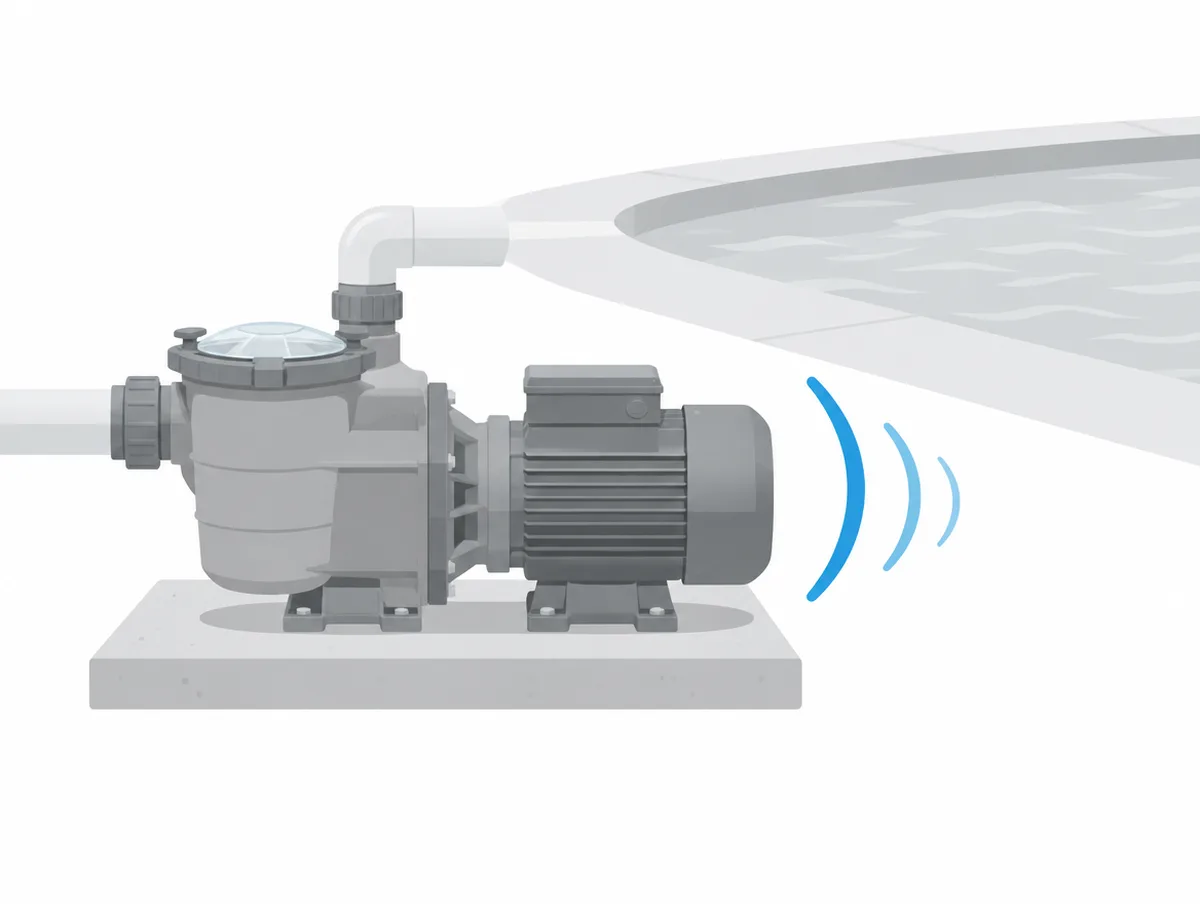
How to make a pool pump quieter, using the makers' own manuals
How to make a pool pump quieter with steps from Pentair, Hayward, Speck and Bestway: slower speeds, clean baskets, a sealed lid O-ring, suction pipe sizing, a level bolted pad, pipe supports, and the bearing, hum and enclosure warnings in their manuals.
15 min read
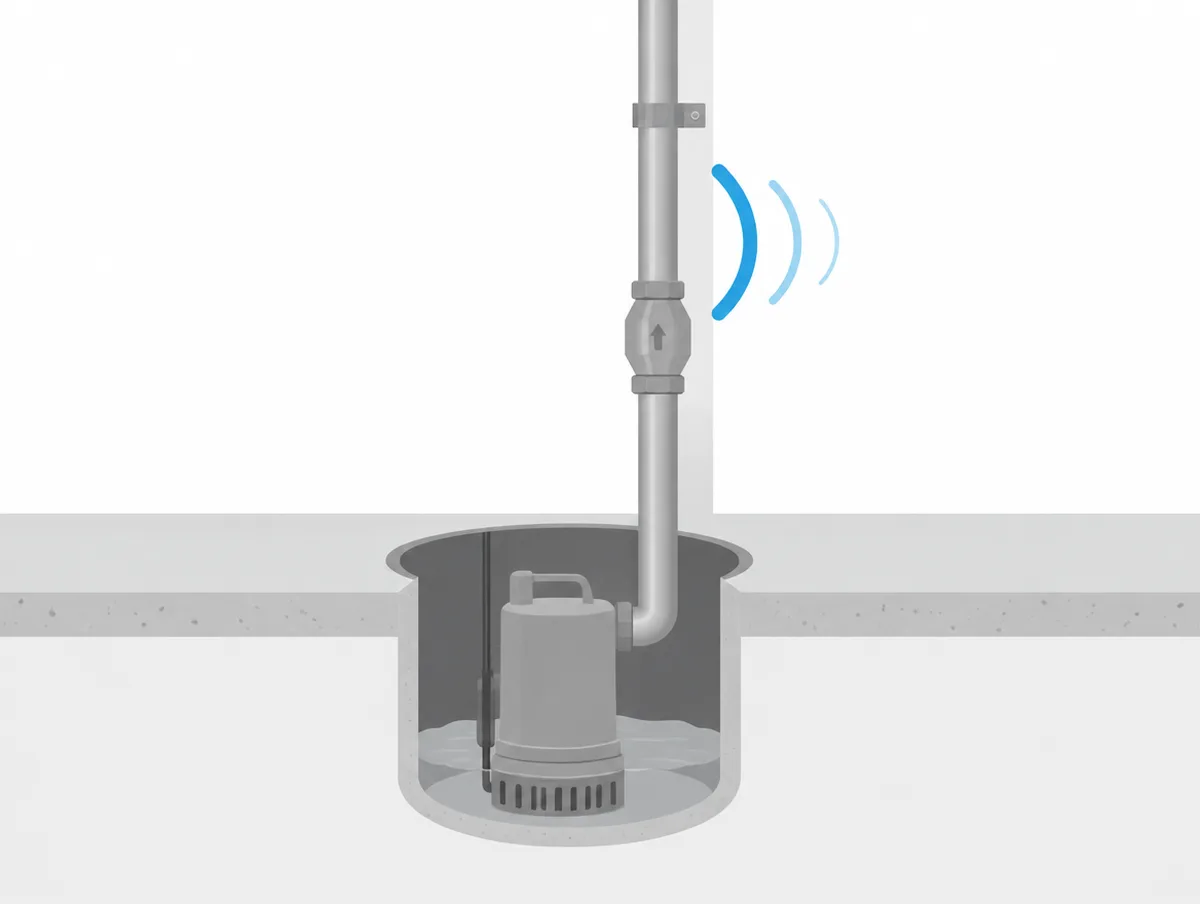
How to make a sump pump quieter, from the installation manuals
How to make a sump pump quieter using what Zoeller, Liberty, Wayne, Little Giant, Pentair and Glentronics print: quiet check valves, the weep hole, pipe support, a level base, float settings, and how to silence or test the high-water alarm.
15 min read
How to make a laptop fan quieter: quiet modes and fixes by brand
How to make a laptop fan quieter with the quiet modes Lenovo, Dell, HP, Acer, ASUS, MSI and Apple build in, Windows 11 power modes, frame caps for gaming, clear vents, safe cleaning and BIOS updates, plus the sounds that mean a laptop fan needs service.
14 min read
How to make a portable AC quieter: what the owner's manuals say
Drop the fan speed, try quiet or sleep mode, set the unit level on a firm floor, keep the hose short and straight, and clean the filter. Every step comes from Midea, LG, Frigidaire, Whynter, Toshiba, GE, Danby and other makers.
17 min read
How to make a microwave quieter, from the beeps to the vent fan
How to make a microwave quieter with what Whirlpool, GE, Samsung, Frigidaire, Panasonic, Sharp, Toshiba, LG and Hamilton Beach tell owners: mute the tones where the model allows it, clean and seat the turntable, give the oven room, and run an over-the-range fan slower with clean filters.
15 min read
How to make a dryer quieter: legs, lint, vent, load and buzzer
How to make a dryer quieter using what GE, Whirlpool, Samsung, LG, Bosch, Miele and Beko tell owners: level it on short legs, keep the lint screen and metal vent clear, rack the shoes, turn the buzzer down or off, stop the wrinkle tumble, and know when a noise means service.
16 min read
How to make a blender quieter, from the counter to the drive socket
How to make a blender quieter with what Vitamix, Blendtec, KitchenAid, Breville, NutriBullet, Hamilton Beach and Ninja tell owners: a hard flat counter, a seated jar, the right load order, pulse before high speed, worn sockets replaced, and a maker's shield instead of a towel.
15 min read
How to make a fan quieter: box, tower, pedestal and ceiling fans
How to make a fan quieter, by fan type, from the makers' own manuals: turn the speed down, level and tighten the base, clean and reseat the blade, balance a ceiling fan, swap a dimmer for an approved control, and know which noises mean stop.
16 min read
Quiet Rooms
Bedroom decibel level: setting up a quiet bedroom for sleep
The WHO sets under 30 dB(A) for a bedroom at night. Which bedroom machines come closest on paper, the setting behind each figure, and what to switch off.
16 min read
Can neighbors hear my washing machine? Quiet apartment guide
Downstairs neighbors mostly feel a washer's spin through the floor. Which apartment machines carry, the quietest maker figure per guide, and when to run them.
14 min read
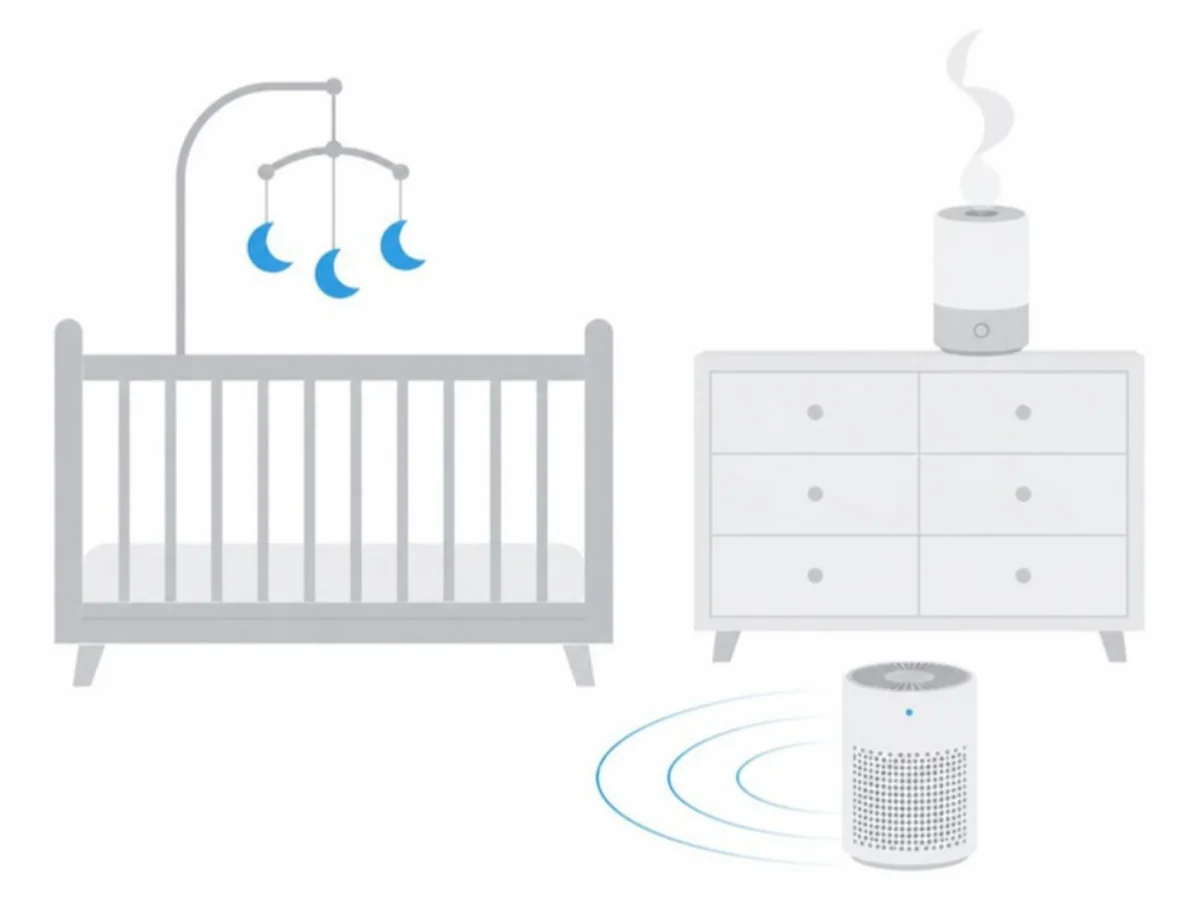
Nursery decibel level: quiet machines for a baby's room
No official nursery decibel level exists; the WHO bedroom line is under 30 dB(A). The lowest maker figures for nursery machines, and the settings behind them.
12 min read
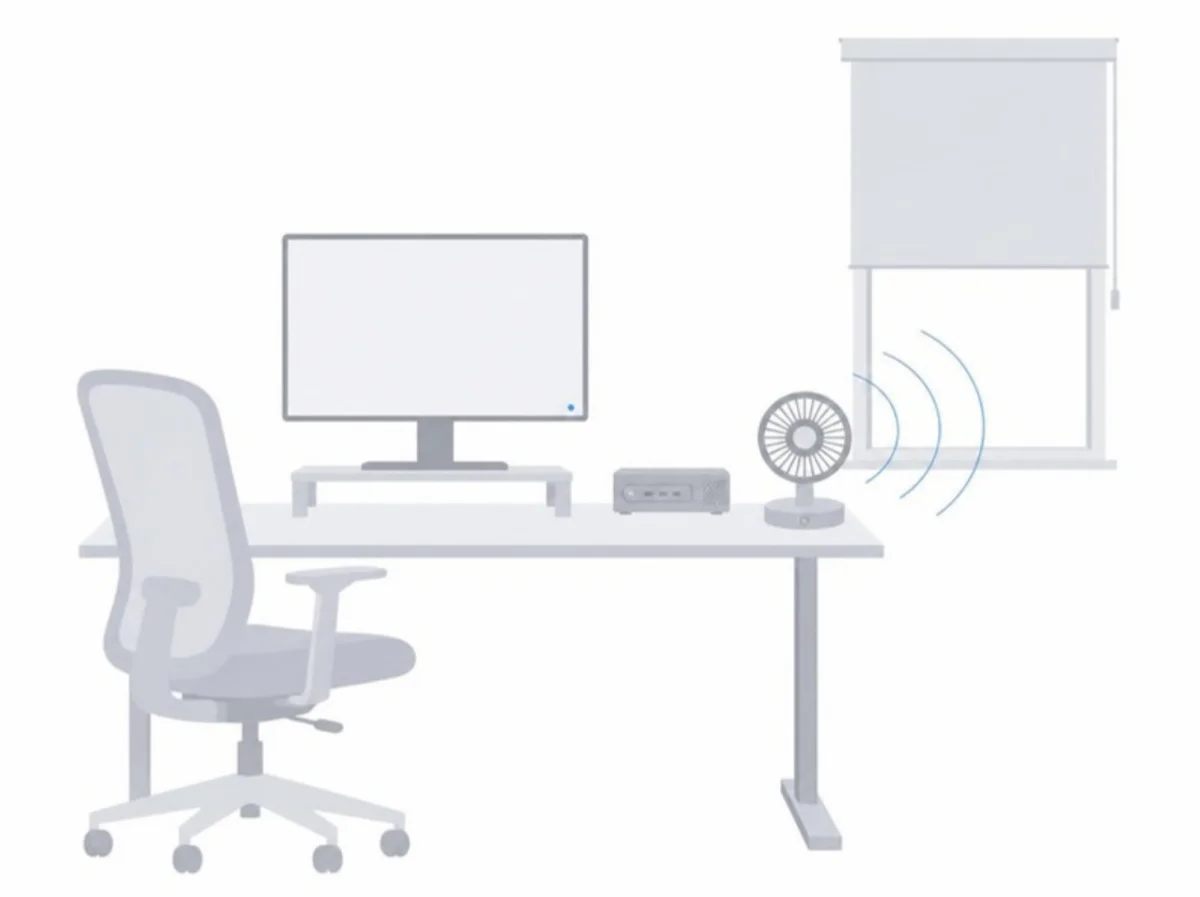
Home office noise reduction, one machine at a time
Home office noise reduction by machine: which maker figure to read for a computer, printer, UPS, fan or heater, with counts from 96 spec sheets in our catalog.
12 min read
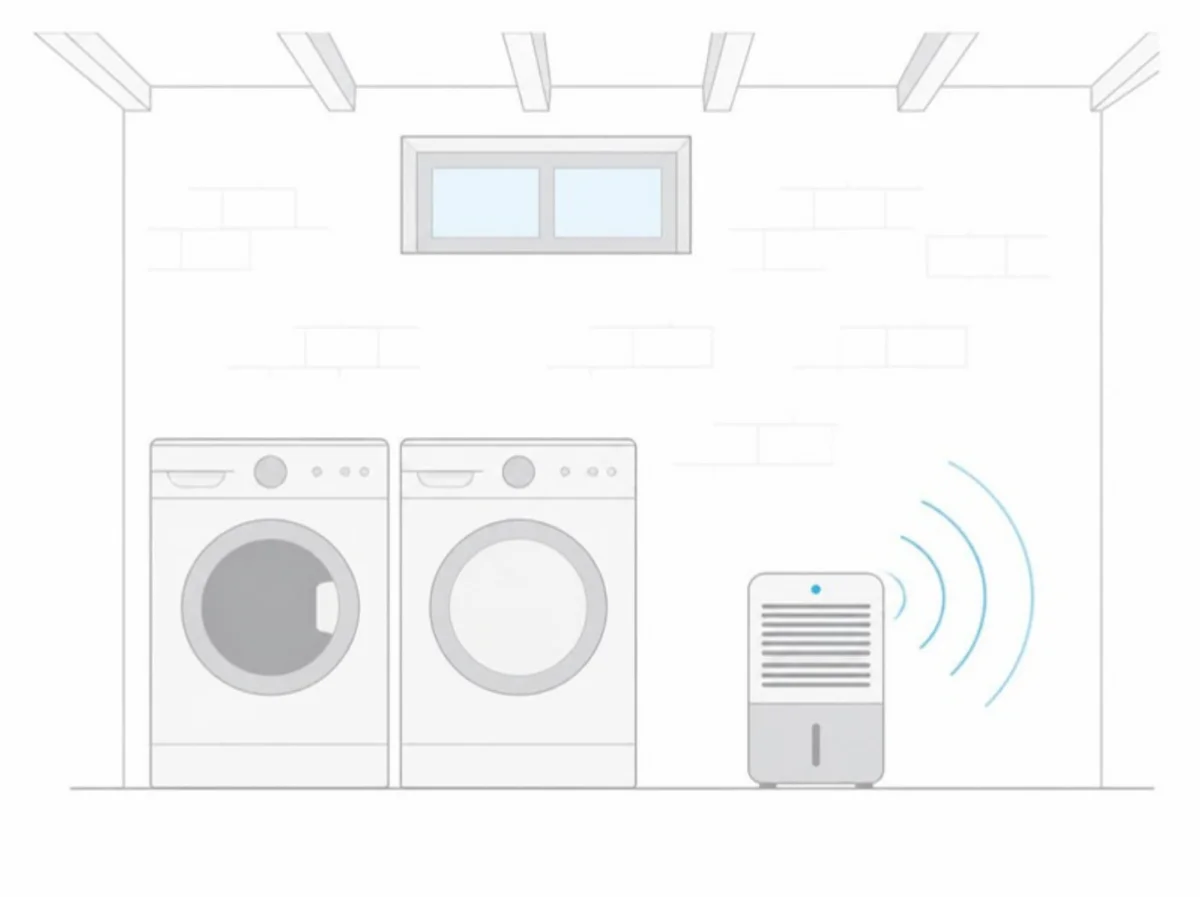
How to reduce noise from basement machines to upstairs
Basement machines reach upstairs through the air and through joists. How to reduce noise from basement dehumidifiers, freezers and laundry, with makers' figures.
15 min read
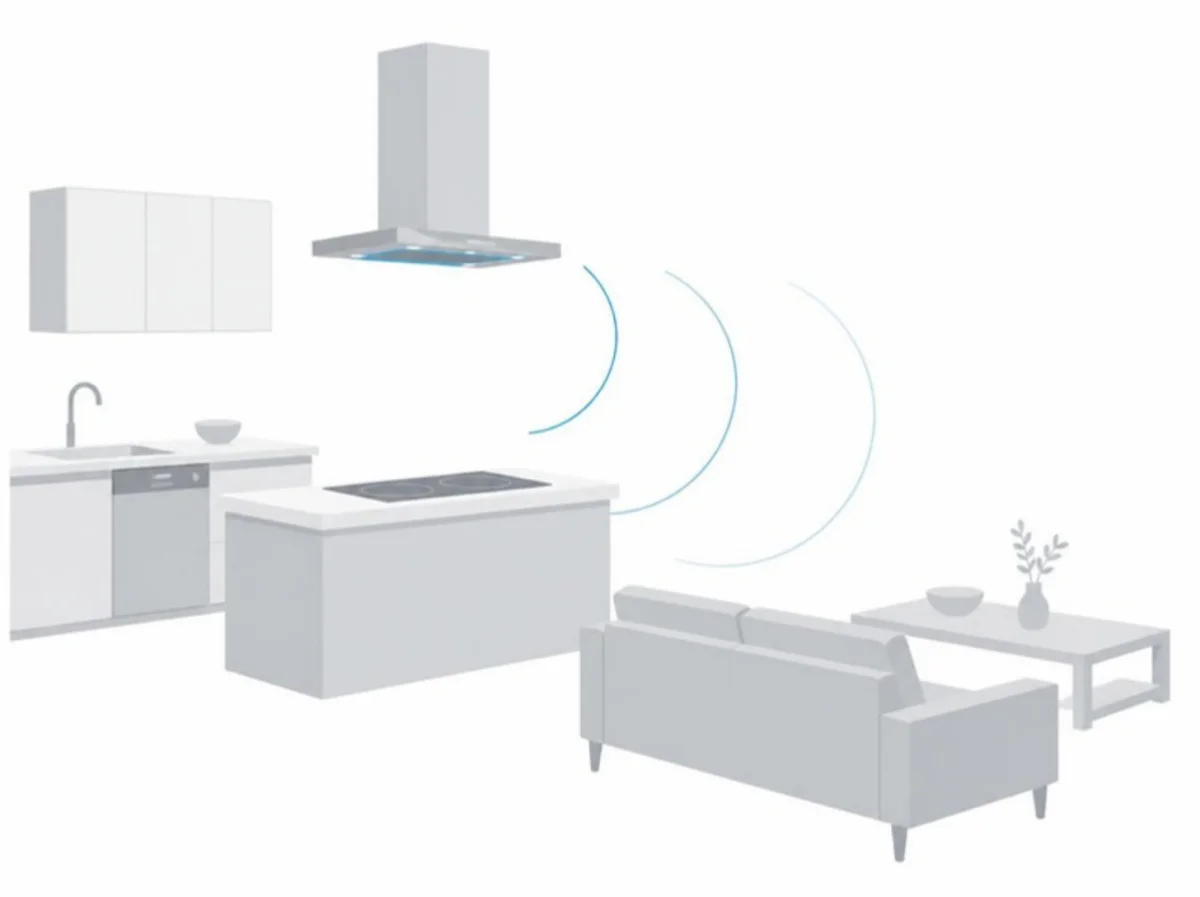
Quiet kitchen appliances for an open-plan room
Quiet kitchen appliances for an open-plan room: what runs when, which figure to read for each, and counts from 164 fridge, dishwasher and microwave spec sheets.
12 min read
Workshop noise levels, tool by tool
Workshop noise levels by tool: what saws, sanders, drills, extractors and compressors declare, how to read LpA, LWA and K, and what 243 tool files show.
13 min read
Yard work noise: quieter tools and local rules
Yard work noise for you and the neighbors: which figure each tool declares, where battery beats gas, and how places such as Montgomery County set their limits.
18 min read
Living With Noise
What does sleep mode do on an AC? Sleep vs quiet mode
Sleep mode on an AC lets the set temperature drift up 2 to 4°F, slows the fan and ends on a timer; quiet mode caps the fan. With mode figures from 444 products.
18 min read
Are inverter air conditioners quieter? What makers list
Usually at low and medium speed: in matched LG and Frigidaire window pairs the inverter is quieter at every speed, but some inverter models peak louder on high.
19 min read
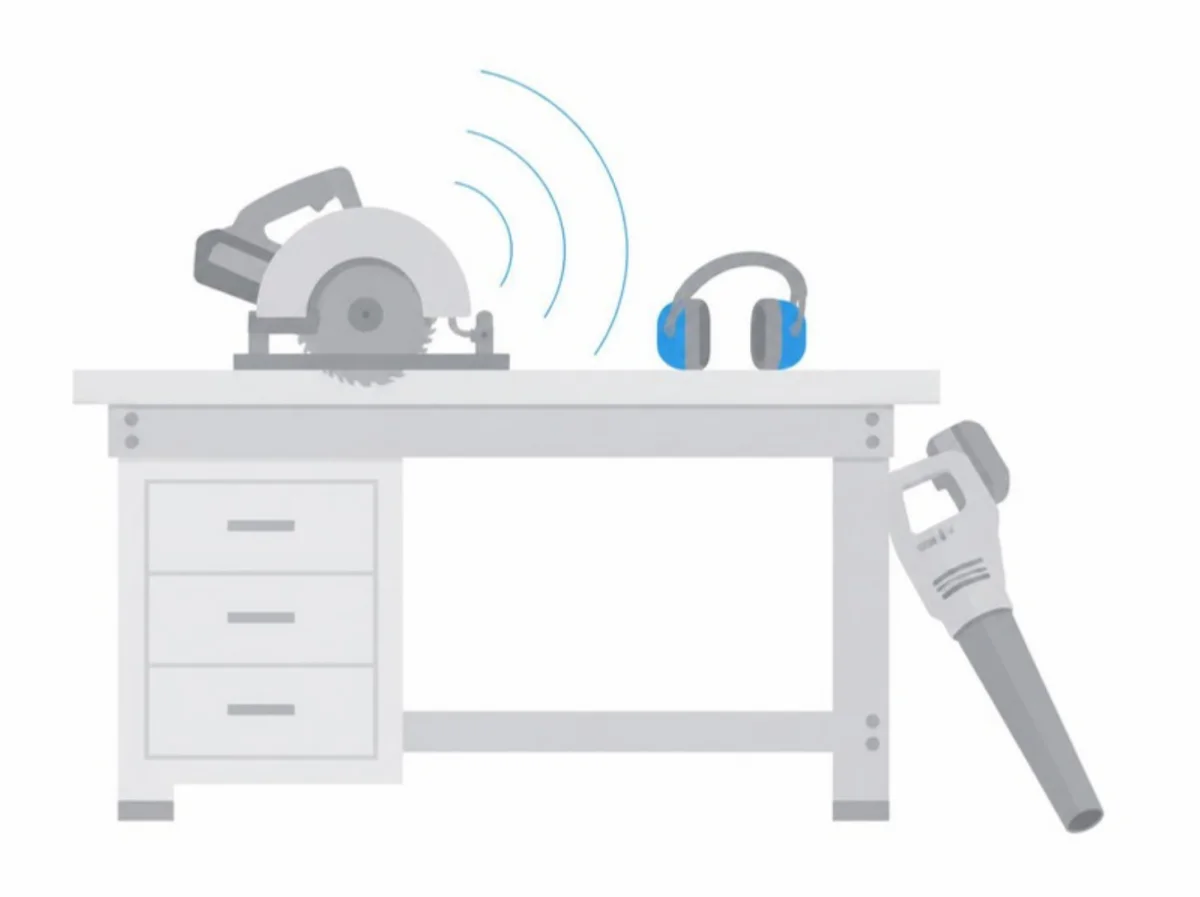
How loud are power tools? Decibels and hearing protection
Of 140 tools in our catalog that declare a level at the operator's ear, 90 reach 85 dB(A), the NIOSH limit. The limits in minutes, and how to read LpA in a manual.
17 min read
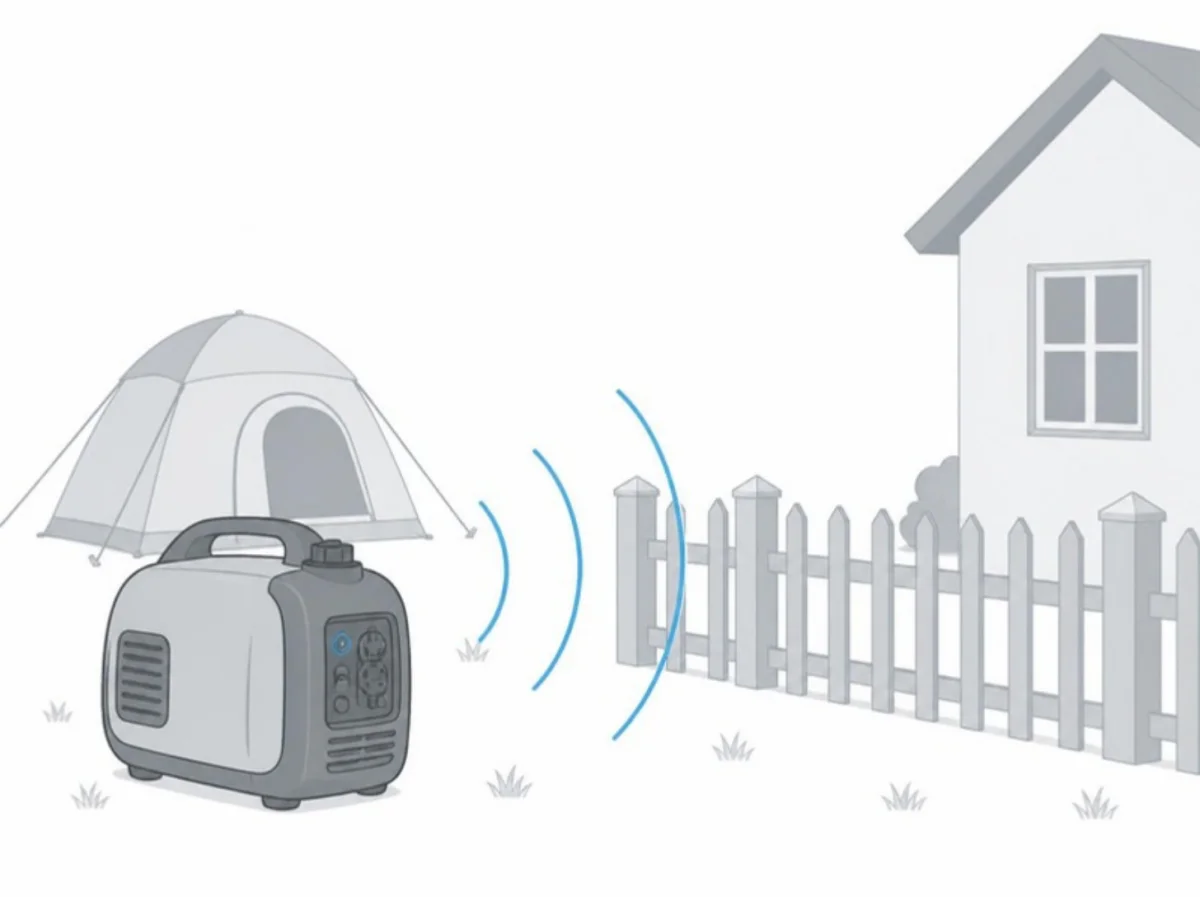
Generator noise rules for neighbors, campgrounds and towns
Generator noise rules explained: CDC and CPSC placement, the 60 dBA at 50 ft national park limit, local examples, and what 106 generator spec sheets state.
14 min read
More explainers
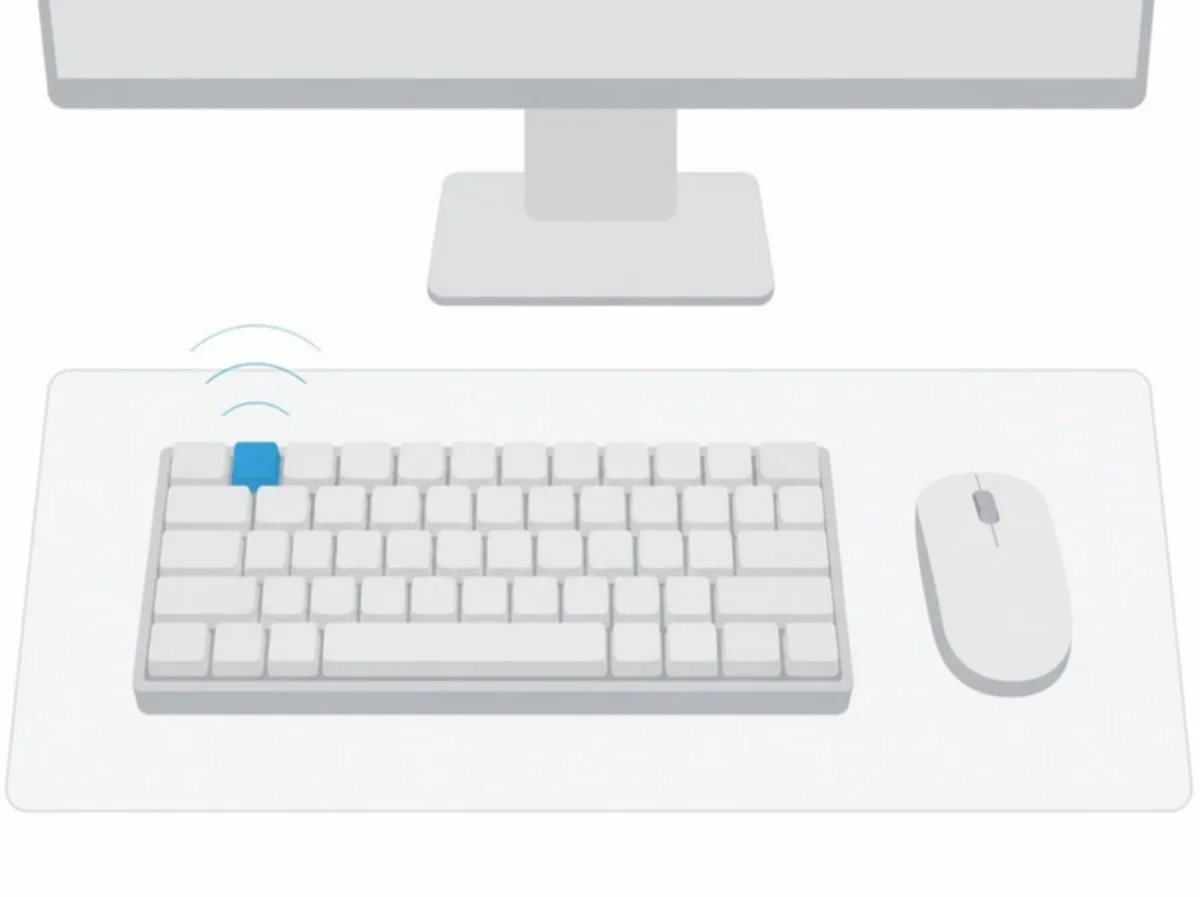
Quiet keyboards: silent keys and the quietest keyboard types
Silent keyboards rarely carry a decibel rating. What makes the quietest keyboard, what silent keys change, and what Cherry, Logitech and Kailh claim.
11 min read
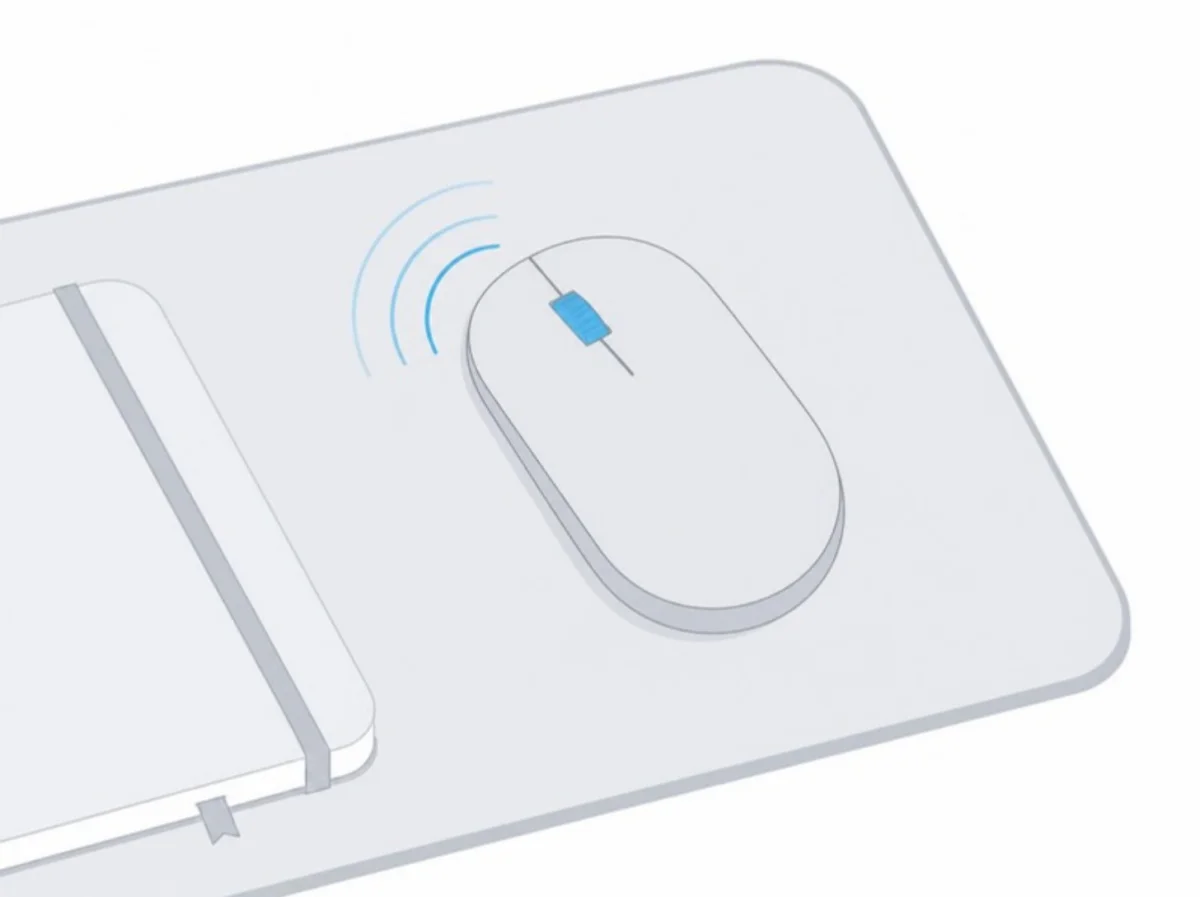
Quiet mouse and silent mouse clicks: what makers claim
Silent mouse clicks come from damped switches. Here is what Logitech's 90% less click noise compares, the one dBA figure we found, and how to read claims.
13 min read
Terms you will see in our guides
The short version. Each links to the explainer that covers it properly.
- Decibel (dB)
- The unit for how intense a sound is. The scale is logarithmic, so a small change in the number is a large change in sound pressure.dBA explained
- dBA or dB(A)
- A decibel figure weighted to match how people hear, since the ear is less sensitive to low rumble. A plain dB figure may or may not be weighted.dBA explained
- 3 dB and 10 dB
- Adding 3 dB means double the sound power. Adding 10 dB sounds about twice as loud.dBA explained
- Distance
- In open space, sound pressure falls 6 dB each time the distance from the source doubles, so a figure with no distance is incomplete.dBA explained
- Sone
- The loudness unit for bathroom fans and range hoods. The scale is linear: 2 sones is twice as loud as 1.Sones vs decibels
- Sound power, in bels
- The total sound a machine emits in every direction, whatever the room. Written B or B(A), where one bel is ten decibels.Sound power vs sound pressure
- Sound pressure
- What reaches one point, such as a microphone 1 meter away or the operator position. It is the closest number to what you hear.Sound power vs sound pressure
- KV and upper limits
- KV is the statistical adder in a declared noise table. The declared value plus KV is the level a sampled unit should not exceed, and some makers print that upper limit directly.Sound power vs sound pressure