QuietSpecs

Noise distance calculator: how loud a generator, heat pump or AC is next door

Written by · Checked against 11 sources
· 4 min read

Noise distance calculator

Free noise distance calculator: estimate how loud a generator, pool heat pump or central AC condenser is at the neighbor's window or property line, and check it against a local limit.

Key takeaways

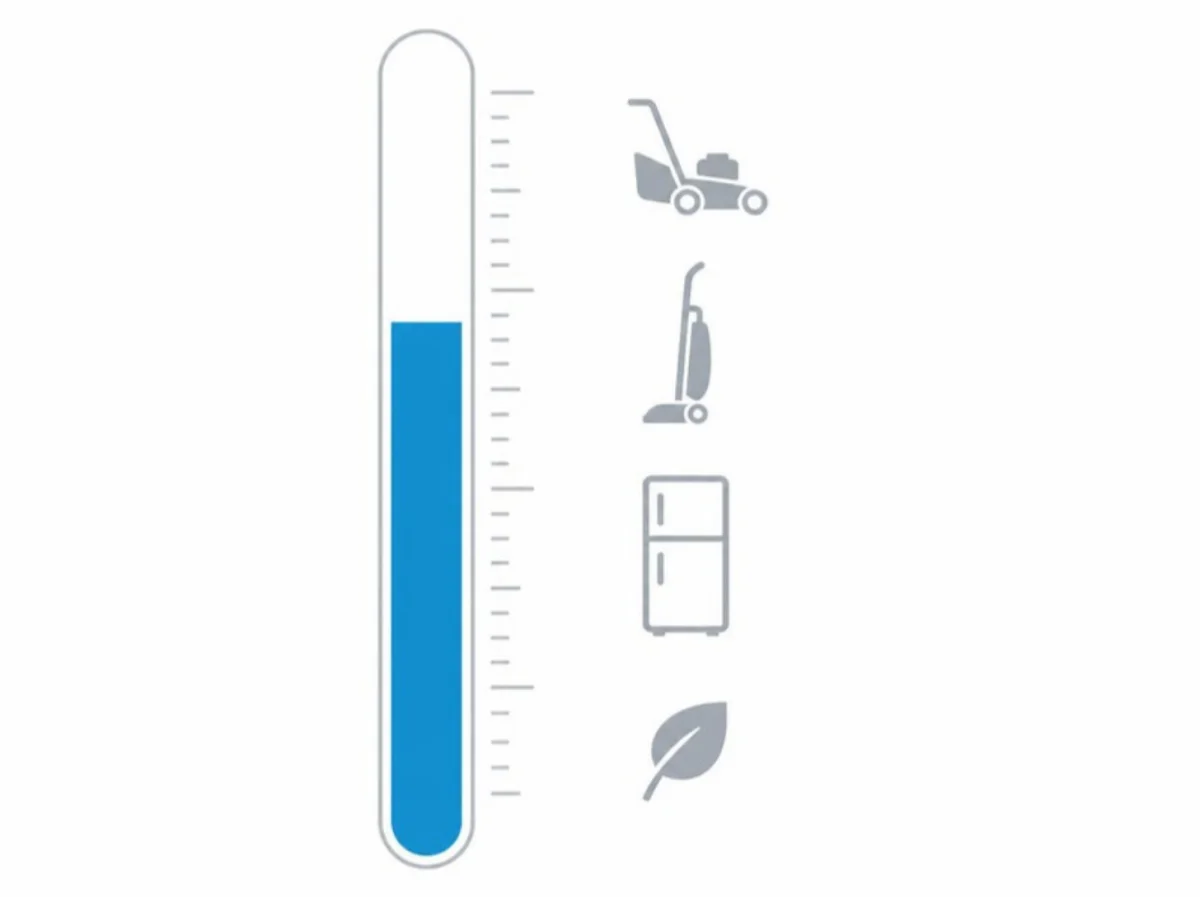
  • Outdoors, each doubling of distance takes roughly 6 dB off a sound level, so a generator rated at 23 feet reads roughly 6 to 7 dB lower at 50 feet.
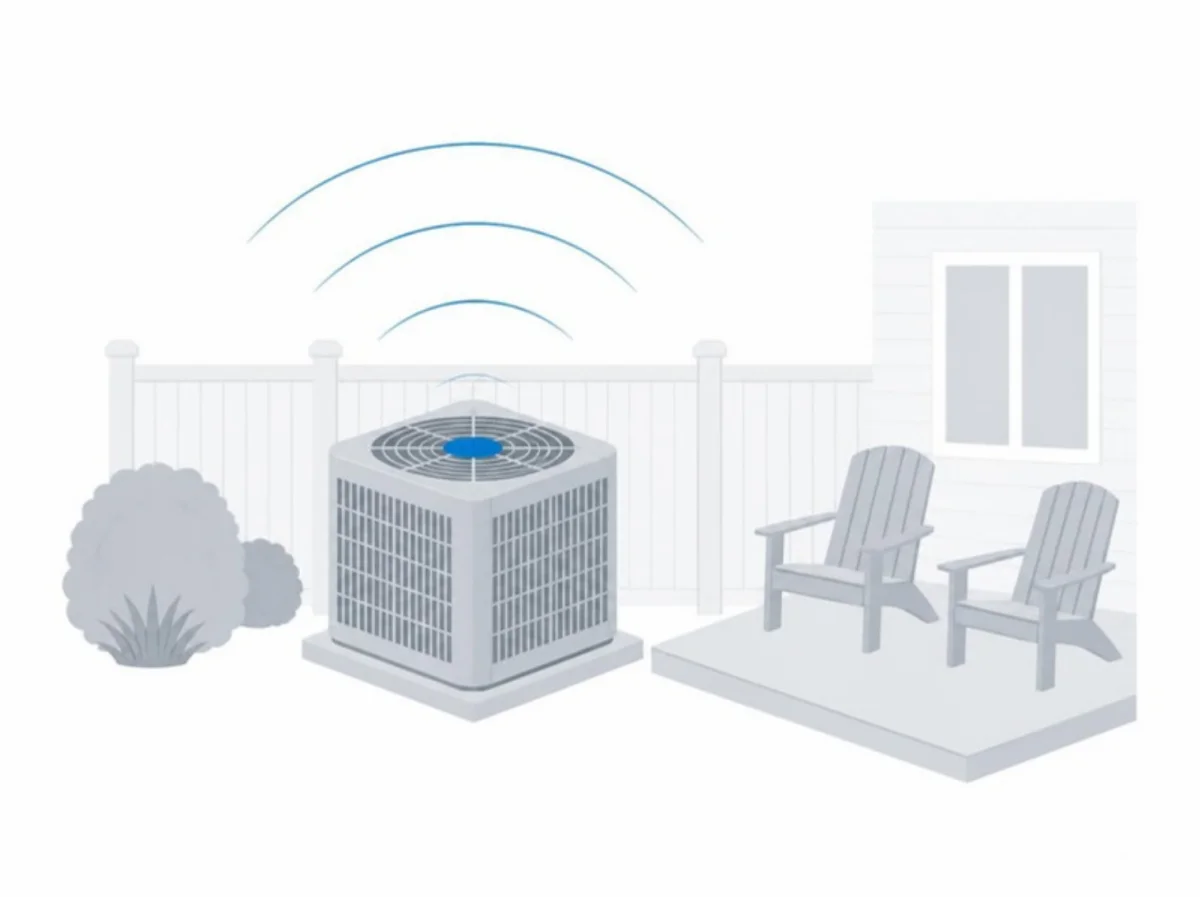
  • Central AC and heat pump ratings under AHRI 270 are sound power, not a level at any distance; the calculator converts them with the method the UK heat pump standard MCS 020 uses, where a wall behind the unit adds 3 dB and a corner adds 6.
  • Champion's 8500W inverter, rated 61 dBA from 23 feet, works out to about 54 dBA at 50 feet, just under the 55 dBA night limit Montgomery County, Maryland, sets at the property line.
  • The answer is an open-air estimate. A house or solid fence in the way lowers it, and hard surfaces close to the unit raise it.
On this page
  1. Estimate the level at the neighbor's
  2. About 6 dB less every time the distance doubles
  3. Converting an AC or heat pump sound rating
  4. Comparing the result with a noise limit
  5. Where the estimate goes wrong
  6. What makers publish
  7. FAQs
  8. How we reviewed this article

Spec sheets give one number from one distance, and the question is always about somewhere else: the neighbor's bedroom window, the property line, the next campsite. This calculator moves a maker's figure to that spot. Pick a generator, pool heat pump or central AC from our guides, or type the figure from any spec sheet, enter the distance, and add your local limit if you know it.

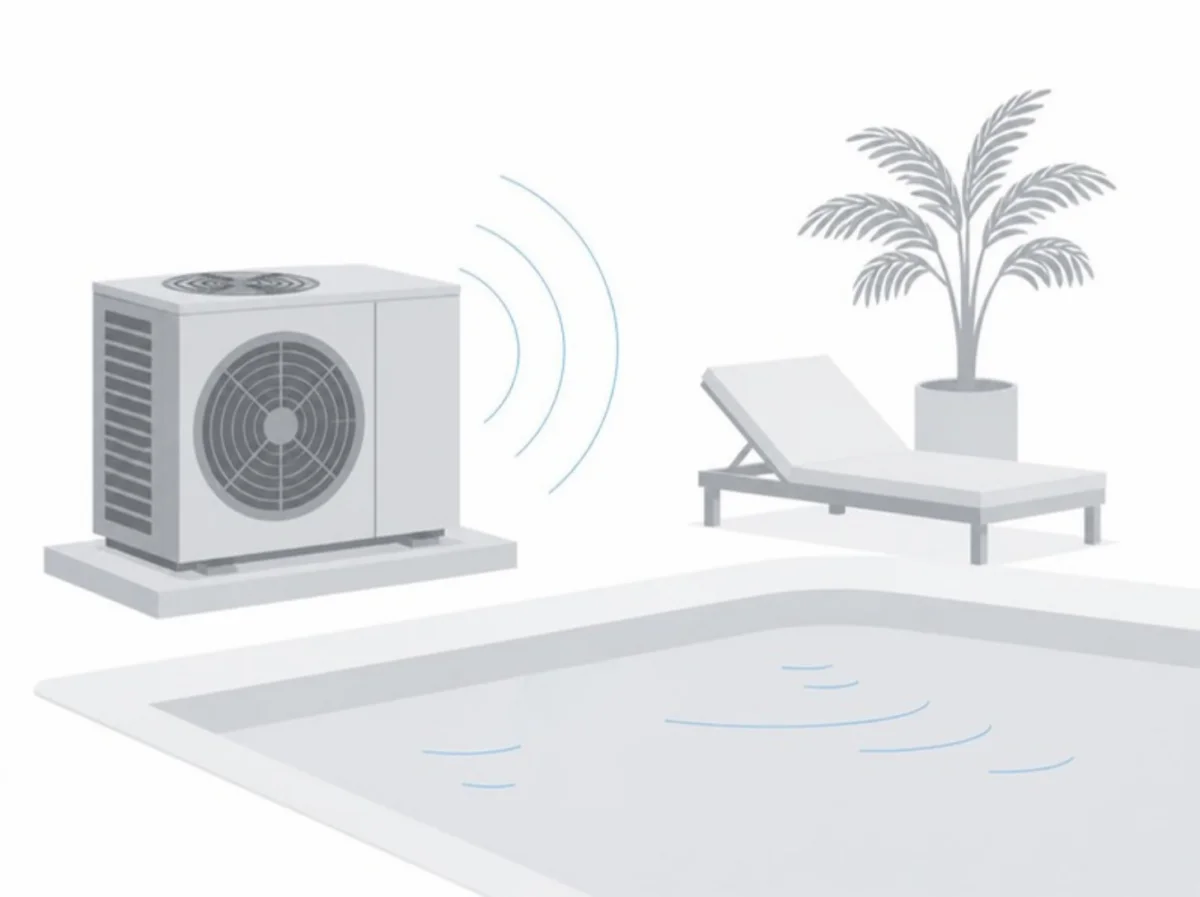
Two kinds of figure need two different treatments. Most generators and pool heat pumps publish a sound pressure measured at a stated distance, and that moves with the plain distance rule. Central air conditioners and heat pumps publish sound power under AHRI 270, which has no distance at all and needs converting first.

Estimate the level at the neighbor's

Choose a machine, or set the figure type and type the numbers yourself. For a sound power rating, also say where the outdoor unit sits, because nearby walls push more of the sound toward the listener.

How loud is it at the neighbor's?

About 51.3 dB(A) at 50 ft, in open air.That is 3.7 dB under a 55 dBA limit.

An open-air estimate. A house or solid fence in the way lowers the level; hard walls and paving nearby raise it. Ordinances are enforced by measurement, not by this math.

About 6 dB less every time the distance doubles

For a figure measured at a known distance, the calculator applies the inverse square law. OSHA's technical manual gives the rule in one line. Each time the listener's distance from a small source doubles, the level falls by 6 dB. In formula form, the new level equals the old one minus 20 times the base 10 logarithm of the distance ratio.

Take Generac's 7257 standby generator.

Its spec sheet gives 61 dB(A) at 23 feet running at normal load and 49 dB(A) in the low-speed weekly exercise. A neighbor's window 30 feet away would get about 59 and 47.

The rule holds up well against a maker that publishes two distances. Aquastrong lists its HEX140TOP pool heat pump at 60 dB(A) from 3 feet and 37 dB(A) from 33 feet; moving the 3 foot figure out to 33 feet with the calculator gives about 39, roughly 2 dB above the value Aquastrong measured.

Converting an AC or heat pump sound rating

An AHRI sound rating is sound power, the unit's total acoustic output, so it cannot be compared with an ordinance limit until it is turned into a sound pressure at a distance. Our sound power vs sound pressure page separates the two.

The calculator follows the method in MCS 020, the standard UK installers use to check air source heat pumps against permitted development limits. It starts from the maker's sound power, picks a directivity factor Q from the number of hard surfaces within a meter of the unit, and takes a distance reduction from a table. Our formula reproduces that table: the standard's worked example, 4 meters at Q4, gives a reduction of 17 dB, and so does the calculator.

MCS 020 also tells installers to use the highest sound power the maker lists, not a quiet mode. For a two-stage or variable-speed unit that means the nominal or maximum figure, even though the unit spends many hours below it. Carrier's Infinity 21 26VNA1 in 3 ton size is rated 72 dBA at nominal cooling and 55 at minimum, and the difference carries straight through to the neighbor: about 51 against 34 dB(A) at 20 feet against one wall.

Comparing the result with a noise limit

Limits are set locally and measured in different places. Montgomery County, Maryland, sets a 65 dBA daytime limit and a 55 dBA nighttime limit for residential property, taken outside at the property line, according to its noise control page. National parks cap generators at 60 dBA measured 50 feet away under 36 CFR 2.12. Both appear as suggestions in the limit box.

Champion's 8500W inverter makes a useful test. Rated 61 dBA from 23 feet, it comes to about 54 dBA at a property line 50 feet away, inside Montgomery County's night limit by under a decibel. Too thin to rely on.

Doubling the distance would buy another 6 dB, and so would a quieter machine with the same output.

Our page on generator rules covers the rest, from carbon monoxide placement to campground hours. For the person running the machine rather than the neighbor, the noise exposure calculator works out safe time per day.

Where the estimate goes wrong

Open air is the assumption. Gardens are not open air.

A house, garage or solid fence between the unit and the listener blocks part of the sound, and MCS 020 grants a barrier reduction when the unit is hidden from the assessment point. Hard paving and walls near the listener do the opposite.

Wind and temperature bend sound over longer distances, and the low-frequency hum of a compressor carries further than its A-weighted number suggests, so a heat pump that calculates comfortably under a limit can still be the sound a neighbor notices first on a still winter night when the unit is working hardest. Tones annoy, too. So does cycling. Use the result to compare placements and models before you buy, and use a meter on site if a complaint is already on the table.
What makers publish

The noise figures makers print for models in our buying guides, word for word, with any setting or distance they give. Figures taken under different conditions are not comparable, so this list does not rank them.

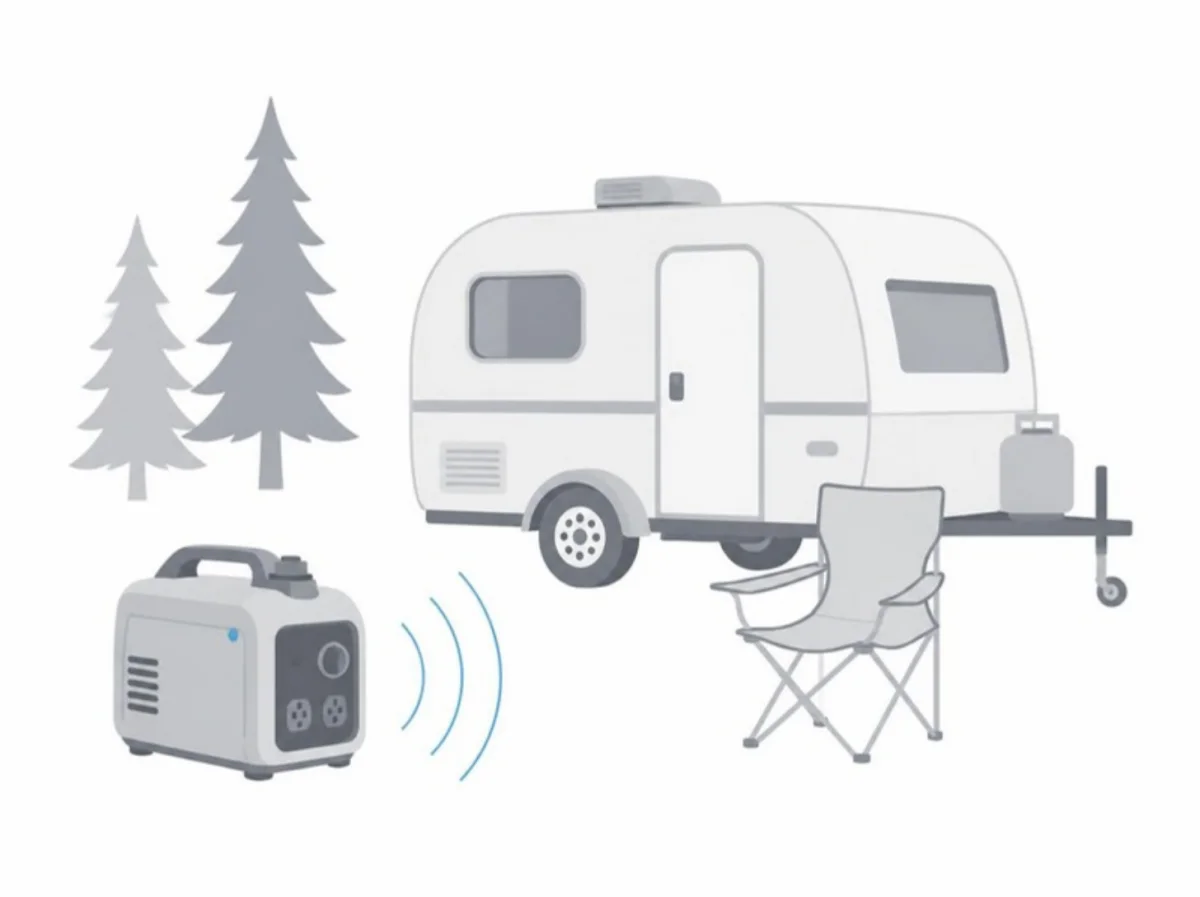
The quietest generators for camping and RVs

ModelNoise figure, as published
Honda EU2200i 2200 watt 120V inverter generator with CO-MINDER48 dB(A) at 1/4 load, 57 at rated load. Distance not stated
Honda EU1000i 1000 watt 120V inverter generator with CO-MINDER42 dB(A) at 1/4 load, 50 at rated load. Distance not stated
Champion 2500W Inverter53 dBA from 23 feet. Load not stated
WEN 56450iX Super Quiet 4500-Watt RV-Ready Portable Inverter Generator with Fuel Shut-Off and CO Watchdog58 dBA at quarter load, 22 feet
Honda EU3200i 3200 watt 120V inverter generator with CO-MINDER54 dB(A) at 1/4 load, 58 at rated load. Distance not stated

All 7 models in the guide

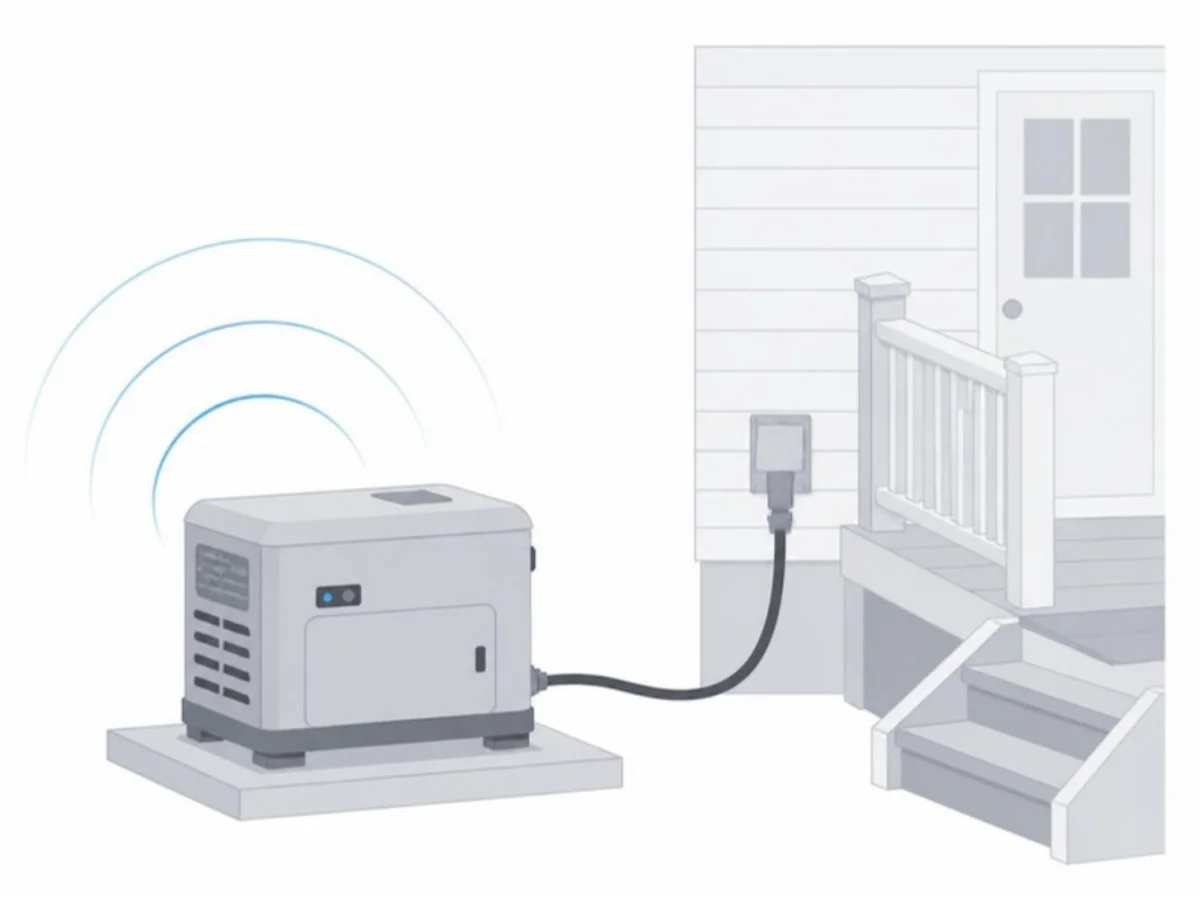
The quietest portable generators for home backup

ModelNoise figure, as published
Honda EU7000iS 7000 watt 120/240V inverter generator with CO-MINDER52 dB(A) at 1/4 load, 58 at rated load, 23 ft (7 m)
Champion 8500W Electric Start Dual Fuel Inverter with CO Shield61 dB(A) from 23 ft. Load not stated
Yamaha EF6300iSDE58 dBA at 1/4 load, 64 at rated load. Distance not stated
Honda EB5000 5000 watt 120/240V industrial generator with CO-MINDER63 dB(A) at 50% load, 65 at rated load, 23 ft (7 m)
DuroMax XP13500iH 13,500 Watt Portable Dual Fuel Inverter Generator66 dB at 25% load. Distance not stated

All 7 models in the guide

The quietest pool heat pumps

ModelNoise figure, as published
Aquastrong HEX022TOP 24,000 BTU Top Discharge Pool Heat Pump"Noise (33 ft)" "32 dB(A)"; "Noise (3 ft)" "46 dB(A)"
Aquastrong HEX140TOP 140,000 BTU Top Discharge Pool Heat Pump"Noise (33 ft)" "37 dB(A)"; "Noise (3 ft)" "60 dB(A)"
Raypak Crosswind 50-I Inverter Heat and Cool Pump"Sound pressure 39" (3 m) dBA 34.9~45.0" (manual); "34.9 ~ 45.0 dBA" (product page)

Frequently asked questions

How far does generator noise travel?

In open air it fades about 6 dB per doubling of distance. A generator rated at 57 dB(A) from 7 meters, like Honda's EU2200i at rated load, works out to about 50 dB(A) at 50 feet and 44 dB(A) at 100 feet, before any fence or building takes more off.

How loud is a central AC unit at the property line?

Take the AHRI sound rating, which is sound power, and the distance. A 3 ton Trane 5TTV0X36 rated 69 dBA, sitting against the house 20 feet from the line, comes to about 48 dB(A) there in open air. In a corner between two walls it would be about 3 dB higher.

Why does the calculator ask where the heat pump sits?

Walls and the ground reflect sound back toward the listener. MCS 020 counts each hard surface within a meter of the unit: on open ground the sound spreads over a half sphere, against one wall over a quarter, and in a corner over an eighth, each step adding 3 dB.

Can I compare the result with a noise ordinance?

As a first check, yes. Enter your local limit and the calculator says how far above or below it the estimate falls. An enforcement officer measures with a meter at the property line, often with rules on tones and time of day, so treat a result within a few decibels of the limit as too close to call.

How we reviewed this article

Every statement here comes from the 11 maker documents, standards and agency pages listed under Sources, quoted where the wording matters. We did not measure, inspect or repair anything ourselves. Each substantive revision is dated below. How we work

  1. Current version

    First published, written by Stanley Alu.

Sources

All 11 sources

Written by

Stanley Alu

Founder and editor

I founded QuietSpecs after running a product review blog, and I built it around the spec that is hardest to pin down. With noise, makers tend to quote the quietest setting they can find, or nothing at all. So I read the spec sheets, manuals and certification directories, quote each figure with the setting it describes, and say so plainly when a maker publishes none. I do not test products or measure decibels, and no brand pays for a place in a guide.

How we compare products

Related buying guides

More in Noise Basics